%20%20--%3E%0A%3Csvg%20version%3D%221.1%22%20xmlns%3D%22http%3A%2F%2Fwww.w3.org%2F2000%2Fsvg%22%20xmlns%3Axlink%3D%22http%3A%2F%2Fwww.w3.org%2F1999%2Fxlink%22%20x%3D%220px%22%20y%3D%220px%22%0A%09%20viewBox%3D%220%200%201310.5%20200%22%20style%3D%22enable-background%3Anew%200%200%201310.5%20200%3B%22%20xml%3Aspace%3D%22preserve%22%3E%0A%3Cstyle%20type%3D%22text%2Fcss%22%3E%0A%09.st0%7Bfill%3A%23231F20%3B%7D%0A%09.st1%7Bfill%3A%2312284B%3B%7D%0A%09.st2%7Bfill%3A%23FFC52F%3B%7D%0A%09.st3%7Bfill%3A%23FFFFFF%3B%7D%0A%3C%2Fstyle%3E%0A%3Cg%20id%3D%22Template%22%3E%0A%3C%2Fg%3E%0A%3Cg%20id%3D%22Layer_2%22%3E%0A%09%3Cpolygon%20class%3D%22st2%22%20points%3D%22699.4%2C88.9%20710.8%2C88.9%20710.8%2C84.1%20713.5%2C84.1%20713.5%2C111.6%20708.5%2C111.6%20708.5%2C122.6%20731.2%2C122.6%20%0A%09%09731.2%2C111.6%20726.2%2C111.6%20726.2%2C84.1%20728.8%2C84.1%20728.8%2C88.9%20740.3%2C88.9%20740.3%2C73.3%20699.4%2C73.3%20%09%22%2F%3E%0A%09%3Cpolygon%20class%3D%22st2%22%20points%3D%22774.7%2C84.3%20779.7%2C84.3%20779.7%2C93.2%20761.5%2C93.2%20761.5%2C84.3%20766.6%2C84.3%20766.6%2C73.3%20743.8%2C73.3%20%0A%09%09743.8%2C84.3%20748.9%2C84.3%20748.9%2C111.6%20743.8%2C111.6%20743.8%2C122.6%20766.6%2C122.6%20766.6%2C111.6%20761.5%2C111.6%20761.5%2C103.8%20779.7%2C103.8%20%0A%09%09779.7%2C111.6%20774.7%2C111.6%20774.7%2C122.6%20797.4%2C122.6%20797.4%2C111.6%20792.4%2C111.6%20792.4%2C84.3%20797.4%2C84.3%20797.4%2C73.3%20774.7%2C73.3%20%09%22%2F%3E%0A%09%3Cpolygon%20class%3D%22st2%22%20points%3D%22832.8%2C111.6%20818.7%2C111.6%20818.7%2C103.3%20833.6%2C103.3%20833.6%2C92.6%20818.7%2C92.6%20818.7%2C84.4%20832%2C84.4%20%0A%09%09832%2C89.2%20843.4%2C89.2%20843.4%2C73.3%20801%2C73.3%20801%2C84.3%20806%2C84.3%20806%2C111.6%20801%2C111.6%20801%2C122.6%20844.2%2C122.6%20844.2%2C106.7%20832.8%2C106.7%20%09%0A%09%09%22%2F%3E%0A%09%3Cpath%20class%3D%22st2%22%20d%3D%22M932.2%2C95.6c0.6-0.3%2C1.6-1%2C3.5-2.4c5.7-4.1%2C8.5-10.4%2C8.5-18.7c0-6.9-2.5-13.1-7.4-18.5%0A%09%09c-2.8-2.9-6.9-5.3-12.2-7c-5.3-1.7-11.5-2.5-18.7-2.5h-52.5v22.1H864v58.6h-10.5v22.1H911c14.6%2C0%2C25.1-3.3%2C31.1-9.8%0A%09%09c5.2-5.6%2C7.9-12.2%2C7.9-19.5c0-6.6-2.1-12.3-6.1-16.8C940.8%2C99.8%2C936.9%2C97.3%2C932.2%2C95.6z%20M890.5%2C68.6h9.4c6.5%2C0%2C11.1%2C0.7%2C13.8%2C2%0A%09%09c2.3%2C1.1%2C3.4%2C3.5%2C3.4%2C7.3c0%2C3.7-1.2%2C6-3.6%2C7.1c-2.9%2C1.2-7.5%2C1.9-13.7%2C1.9h-9.3V68.6z%20M918.8%2C125c-3.1%2C1.5-7.8%2C2.2-14.2%2C2.2h-14.2%0A%09%09v-19.6h12c7.4%2C0%2C12.9%2C0.7%2C16.2%2C2.1c2.9%2C1.2%2C4.2%2C3.7%2C4.2%2C7.6C922.8%2C121.2%2C921.5%2C123.7%2C918.8%2C125z%22%2F%3E%0A%09%3Cpath%20class%3D%22st2%22%20d%3D%22M1032.3%2C112.8c12.4-5.2%2C18.7-15.9%2C18.7-31.6c0-12.1-3.7-21-11-26.5c-7.1-5.4-19.1-8.2-35.4-8.2h-51.4v23h10.5%0A%09%09v56.8h-10.5v23h47.5v-23h-10.5v-8.8h13.5l22.4%2C31l0.5%2C0.7h31v-23h-15.3L1032.3%2C112.8z%20M1020.4%2C91.8c-2.6%2C2.2-7.6%2C3.3-15.1%2C3.3%0A%09%09h-15.2V68.9h15.7c7%2C0%2C12%2C0.9%2C14.6%2C2.7c2.4%2C1.7%2C3.7%2C4.9%2C3.7%2C9.6C1024.2%2C86.1%2C1022.9%2C89.6%2C1020.4%2C91.8z%22%2F%3E%0A%09%3Cpolygon%20class%3D%22st2%22%20points%3D%221128.5%2C126.3%201099.2%2C126.3%201099.2%2C109%201130.2%2C109%201130.2%2C86.8%201099.2%2C86.8%201099.2%2C69.6%201126.9%2C69.6%20%0A%09%091126.9%2C79.7%201150.7%2C79.7%201150.7%2C46.5%201062.2%2C46.5%201062.2%2C69.5%201072.7%2C69.5%201072.7%2C126.3%201062.2%2C126.3%201062.2%2C149.3%201152.3%2C149.3%20%0A%09%091152.3%2C116.2%201128.5%2C116.2%20%09%22%2F%3E%0A%09%3Cpolygon%20class%3D%22st2%22%20points%3D%221268.7%2C46.5%201268.7%2C69.5%201274.4%2C69.5%201263.3%2C100.2%201246.2%2C46.5%201219.7%2C46.5%201202.4%2C100.2%201191.5%2C69.5%20%0A%09%091197.2%2C69.5%201197.2%2C46.5%201155.4%2C46.5%201155.4%2C69.5%201163%2C69.5%201191.6%2C148.2%201192%2C149.3%201211.6%2C149.3%201232.9%2C83.9%201254.3%2C149.3%20%0A%09%091273.9%2C149.3%201302.9%2C69.5%201310.5%2C69.5%201310.5%2C46.5%20%09%22%2F%3E%0A%09%3Cg%3E%0A%09%09%3Cpath%20class%3D%22st3%22%20d%3D%22M155.5%2C164.8c-3.3-7.4-3.5-18.6-4.8-30.4c-0.4-3.5-2.9-18-9.9-25.6c-6.8-7.6-15.5-10.6-16.8-11.4%0A%09%09%09c12.4-4.7%2C19.9-10.5%2C24.8-19.4c8.1-15.9%2C8.9-33.3-6.2-48.4c-3.7-3.7-9.3-6.6-16.7-9.1c-28.1-9.9-76.5%2C3.1-102-5.4%0A%09%09%09C15.7%2C12.4%2C14.2%2C6.4%2C13.2%2C2c-0.8-4.3-6.4-0.8-8.5%2C2.5C1.4%2C9.7-2.5%2C21%2C8.9%2C29.1c13.7%2C9.7%2C57.5%2C5.4%2C84.8%2C5.8%0A%09%09%09c29.4%2C0.4%2C34.1%2C22.8%2C22.8%2C43.2c-8.7%2C15.3-28.8%2C14.1-32.1%2C13.2C85.8%2C86.6%2C95.9%2C56%2C97%2C51.9c2.1-6.8-2.9-11.8-8.5-10.3%0A%09%09%09c-7.6%2C2.5-6.2%2C6-30.8%2C12.2c-8.3%2C2.1-4.4%2C7-2.1%2C11.4c0.8%2C1.4%2C0.6%2C4.1%2C0%2C6.8c-0.4%2C1.6-17.2%2C59.4-22.3%2C74.5c-1.5%2C4.5-4.1%2C5.6-7.2%2C7.9%0A%09%09%09c-7%2C4.8-8.3%2C11.8%2C1%2C11.8c14.7-0.2%2C28.3%2C0%2C42%2C0c3.7%2C0%2C6.2-1.7%2C6.4-5.4c0-6.4-7.6-6.4-7.7-10.1c2.9-11.6%2C8.3-33.1%2C11.8-44.3%0A%09%09%09c10.7-0.8%2C19%2C1.7%2C24.6%2C5.8c7%2C5%2C7.7%2C15.5%2C8.1%2C19.6c1.2%2C13.5%2C1.9%2C32.5%2C5.6%2C43c2.5%2C7%2C6.4%2C13.7%2C12.6%2C17c15.9%2C8.3%2C35.8%2C1.6%2C42.6-2.7%0A%09%09%09c5.2-2.9%2C6.8-6.8%2C4.8-10.3C175.7%2C174.7%2C163.1%2C181.5%2C155.5%2C164.8z%22%2F%3E%0A%09%09%3Cpath%20class%3D%22st3%22%20d%3D%22M311.3%2C57.6c6.1%2C0%2C11.7-4.6%2C12.4-10.5c0.9-6-3.5-10.6-9.4-10.6c-6.1%2C0-11.7%2C4.6-12.6%2C10.6%0A%09%09%09C301%2C52.9%2C305.2%2C57.6%2C311.3%2C57.6z%22%2F%3E%0A%09%09%3Cpath%20class%3D%22st3%22%20d%3D%22M510.9%2C57.6c6.1%2C0%2C11.7-4.6%2C12.4-10.5c0.9-6-3.5-10.6-9.4-10.6c-6.1%2C0-11.7%2C4.6-12.6%2C10.6%0A%09%09%09C500.6%2C52.9%2C504.8%2C57.6%2C510.9%2C57.6z%22%2F%3E%0A%09%09%3Cpath%20class%3D%22st3%22%20d%3D%22M690.6%2C91.1c-2.5-2.7-7.6-1.8-9.7%2C1.8c-3.6%2C6.4-8.1%2C21.6-16.5%2C22.2c-1.3%2C0.2-2.4-0.3-3.3-1.2%0A%09%09%09c-0.7-0.9-1.2-2.4-0.3-7.5c2-6.7%2C2.9-10%2C4-13.2c2.8-8.4%2C5.4-14.8%2C6.3-16.6c2.8-5.4%2C4.2-6.3%2C4.5-8.7c0.5-1.8-0.7-3-1.9-3.3%0A%09%09%09c-2.9-0.6-4.5%2C1.5-8.5%2C2.1c-5%2C0.9-13.3-1-13.8%2C2.1c-0.8%2C5.1-2.4%2C9.1-4.8%2C15.9c-6.4%2C19.3-8.8%2C24.6-9.3%2C26.4%0A%09%09%09c-8.1%2C19.8-17.5%2C12.6-16.3-0.3c0.5-4.5%2C1.2-10%2C3-15.6c4.8-14.4%2C9.6-19.6%2C15.4-19.8c2.2%2C3.9%2C8.4%2C2.5%2C8.8-2.2c0-3.6-2.8-7-12.1-6.3%0A%09%09%09c-16.3%2C1.2-32%2C14.3-37.2%2C31.6c-3.6%2C7.9-7.8%2C18.5-14.2%2C17.6c-3-0.3-2.8-4.5-2.1-8.1c0.5-2.7%2C4.3-14.5%2C4.5-21.3%0A%09%09%09c0.1-8.4-5.5-18.1-17.4-18.6c-4.8-0.1-9%2C2.1-12.7%2C5.1c1.2-1.8%2C1.8-2.7%2C2.1-4.3c0.1-1.6-1-3-2-3.1c-2.8-0.8-4.6%2C1.5-8.5%2C2.1%0A%09%09%09c-5.1%2C0.9-13.5-1-14.1%2C2.1c-0.8%2C4.9-2.1%2C9.1-4.6%2C15.9c-2%2C5.5-4%2C10.8-5.9%2C16.1c-3.1%2C6.5-7%2C13.6-12.6%2C14.1c-1.3%2C0-2.4-0.3-3.3-1.3%0A%09%09%09c-1-1.2-1.5-4.3%2C1-12.6c3.9-12.3%2C7.8-22.3%2C9-24.7c2.7-5.4%2C4.2-6.1%2C4.5-8.7c0.3-1.8-0.9-3-1.8-3.1c-3-0.8-4.6%2C1.3-8.7%2C2.1%0A%09%09%09c-5.1%2C0.9-13.5-1.2-13.9%2C2c-0.7%2C5.1-2.1%2C9.1-4.6%2C15.9c-1.2%2C3.4-3.6%2C9.7-5.3%2C14.3c-1.7%2C3.6-4.1%2C7.9-6.9%2C11.3%0A%09%09%09c-1.5%2C1.6-3.5%2C3.6-5.8%2C3.9c-3.6%2C0.4-3.9-3.1-5.7-7.1c1.2-2%2C2.4-4%2C3.6-6c2.2-3.7%2C4.3-7.5%2C5.4-10.2c6.1-14.4%2C5.8-21.6%2C0.3-25.2%0A%09%09%09c-1.6-1.2-3.9-1.5-6.6-1.5c-8.8%2C0.3-11.7%2C8.8-11.7%2C10.9c0%2C4.6%2C3.6%2C8.8%2C7.8%2C10.2c0.1%2C1.4-2.2%2C7.4-6.5%2C14.6%0A%09%09%09c-0.5-0.2-0.9-0.4-1.5-0.5c-5.4-0.6-10%2C3.7-11.4%2C8.8c-0.6%2C2.2-0.1%2C4.3%2C0.4%2C5.8c-0.6%2C0.2-1.3%2C0.6-1.9%2C0.6c-1.2%2C0.1-2.4-0.3-3.1-1.2%0A%09%09%09c-1.2-1.2-1.6-4.5%2C0.9-12.6c3.9-12.4%2C6.4-18%2C7.8-20.5c2.5-5.4%2C4-6.1%2C4.5-8.7c0.1-1.8-1-3-2-3.1c-3-0.8-4.6%2C1.3-8.5%2C2.1%0A%09%09%09c-5.1%2C0.9-13.5-1-14.1%2C2.1c-1.2%2C7.6-2.3%2C8.4-9%2C27.1c-3.3%2C6.9-7.2%2C14.2-13%2C14.7c-1.2%2C0.2-2.4-0.3-3.1-1.2c-2.1-2.3%2C0-9.6%2C0.9-12.6%0A%09%09%09c3.9-12.3%2C7.9-22.3%2C9.1-24.9c2.5-5.2%2C4-6.1%2C4.5-8.5c0.3-1.8-1-3-2-3.3c-2.8-0.6-4.6%2C1.5-8.5%2C2.2c-5.1%2C0.8-13.5-1.2-14.1%2C2%0A%09%09%09c-0.7%2C4.9-2.1%2C9-4.2%2C14.7c-1.4%2C3.9-2.8%2C7.7-4.2%2C11.5c-1.1%2C1.8-2.5%2C3.9-4.3%2C6c-4.2%2C5.1-14.1%2C14.8-27.7%2C14.2%0A%09%09%09c-3.9-0.2-6.6-2.4-8.2-5.2c8.2-3.1%2C26.4-10.6%2C33-21.3c7.2-11.2%2C1.5-22.9-15.1-22.2c-21%2C1-37.8%2C17.3-42.1%2C33.5%0A%09%09%09c-3.2%2C6.9-7.3%2C15.2-13.3%2C15.7c-1.3%2C0-2.4-0.3-3.3-1.3c-1-1.2-1.5-4.3%2C1-12.6c3.9-12.3%2C7.8-22.3%2C9-24.7c2.7-5.4%2C4.2-6.1%2C4.5-8.7%0A%09%09%09c0.3-1.8-0.9-3-1.8-3.1c-3-0.8-4.6%2C1.3-8.7%2C2.1c-5.1%2C0.9-13.5-1.2-13.9%2C2c-0.7%2C5.1-2.1%2C9.1-4.6%2C15.9c-0.7%2C1.9-1.7%2C4.7-2.8%2C7.6%0A%09%09%09c-1.2%2C2.7-4.8%2C11.9-10%2C18.2c-1.5%2C1.6-3.5%2C3.6-5.8%2C3.9c-3.3%2C0.4-3.9-2.6-5.4-6.2c5.5-7.3%2C7.8-13.4%2C8.4-14.9%0A%09%09%09c6.1-14.4%2C5.8-21.6%2C0.3-25.2c-1.6-1.2-3.9-1.5-6.6-1.5c-8.8%2C0.3-11.7%2C8.8-11.7%2C10.9c0%2C4.6%2C3.6%2C8.8%2C7.8%2C10.2%0A%09%09%09c-0.2%2C3.7-2.6%2C8.4-5.5%2C12.5c-0.7-0.3-1.3-0.6-2.1-0.7c-5.4-0.6-10%2C3.7-11.4%2C8.8c-0.4%2C1.5-0.3%2C3.1%2C0%2C4.4c-3.8%2C1.9-8%2C3-10.3%2C0.7%0A%09%09%09c-2-2.2%2C0.1-9.6%2C1-12.6c3.9-12.3%2C7.8-22.3%2C9-24.9c2.7-5.2%2C4.2-6.1%2C4.5-8.5c0.3-1.8-0.9-3-1.8-3.3c-3-0.6-4.6%2C1.5-8.7%2C2.3%0A%09%09%09c-5.1%2C0.8-13.5-1.2-13.9%2C1.9c-1.8%2C9.4-5.7%2C17.7-8.5%2C26.2c-1.1%2C1.7-2.5%2C3.8-4.2%2C5.8c-4.2%2C5.1-14.1%2C14.8-27.7%2C14.2%0A%09%09%09c-3.9-0.2-6.6-2.4-8.2-5.2c8.2-3.1%2C26.4-10.6%2C33-21.3c7.2-11.2%2C1.5-22.9-15.1-22.2c-22.5%2C1-40.3%2C19.6-43%2C36.9%0A%09%09%09c-2.7%2C17.4%2C4.3%2C30%2C22.6%2C30c9.6%2C0%2C18-2.5%2C25.5-6.9c4.3-2.5%2C8.1-5.6%2C11.8-8.8c0.1%2C4.5%2C1.2%2C7.7%2C2.2%2C9.1c3.5%2C4.8%2C9.6%2C7.3%2C17.1%2C6.3%0A%09%09%09c8.7-1.5%2C15.4-5.3%2C21.5-10.1c3.5%2C2.9%2C7%2C3.9%2C8.3%2C4.2c9.4%2C1.9%2C16.3-1.6%2C21.1-5.5c0.4%2C2.5%2C1.1%2C4.5%2C1.8%2C5.5%0A%09%09%09c6.5%2C8.8%2C22.4%2C10.5%2C38.4-7.6c2.8%2C8.4%2C9.9%2C13.7%2C21.7%2C13.7c9.6%2C0%2C18-2.5%2C25.5-6.9c4.3-2.5%2C8.1-5.6%2C11.8-8.8c0.1%2C4.4%2C1.2%2C7.6%2C2.3%2C9%0A%09%09%09c5.8%2C8.2%2C20.1%2C10.5%2C34.7-3.7c2.6%2C10.2%2C18.6%2C16.7%2C35.8%2C0.9c3.1%2C2.2%2C6.1%2C3.1%2C7.2%2C3.3c9%2C1.9%2C15.8-1.3%2C20.5-5c0.4%2C2.3%2C1%2C4.2%2C1.7%2C5.2%0A%09%09%09c5.2%2C7.1%2C16.4%2C9.7%2C28.9%2C1.2c0.1%2C2.6%2C2.2%2C5%2C5%2C5h12.6c2.1%2C0%2C4-1.5%2C4.8-3.6c4.8-13.3%2C8.4-25.2%2C13.5-37.3c1.6-3.9%2C4-8.1%2C5.8-10.6%0A%09%09%09c4.6-6.4%2C13.3-8.7%2C9.4%2C3.6c-6.3%2C19.9-12.3%2C34.2-6.7%2C41.9c6.6%2C9%2C23.1%2C10.5%2C39.5-8.9c1.1%2C2.8%2C2.5%2C5.4%2C4.6%2C7.5%0A%09%09%09c8.7%2C9.1%2C21.3%2C7.9%2C29.4%2C3c-0.6%2C2.2-1.2%2C4.8-1.6%2C7c-9.3%2C40.1-35.3%2C28.9-32.3%2C19.3c5.5%2C1.5%2C12-1%2C11.8-7.8c0-5.2-5.7-9.3-11.7-6.1%0A%09%09%09c-1.9%2C1-2.6%2C1.8-3.2%2C2.3c-53.9-0.8-339.5-1.6-343.4-1.9c-15-1-35.3-2.7-47.6-1.5c-3.9%2C0.3-19.8%2C3.1-20.2%2C15.4%0A%09%09%09c-0.5%2C6.6%2C4.2%2C12.7%2C11.4%2C13.6c11.7%2C1.8%2C18.6-9.3%2C28.3-11.8c10.1-2.5%2C309-4.8%2C364.6-3.4v0.4c-1%2C6.1%2C0.1%2C13%2C2.8%2C17.2%0A%09%09%09c3.6%2C5.8%2C9.4%2C9.1%2C17.8%2C10.3c20.1%2C2.7%2C31.5-13.2%2C35.3-21.6c4.5-9.7%2C7-19.3%2C7-19.3l2.1-8.5c7.9-0.5%2C17.8-5.5%2C27.6-18.7%0A%09%09%09c5.5-7.5%2C6.7-11.1%2C8.4-15.1C691%2C97.3%2C692.3%2C92.8%2C690.6%2C91.1z%20M188.7%2C78.4c5.1-3.7%2C11.7-3.9%2C11.8%2C1.2c0.3%2C10.2-14.7%2C18.4-22.6%2C22.2%0A%09%09%09C177.6%2C94.3%2C180.2%2C84.4%2C188.7%2C78.4z%20M357.9%2C78.4c5.1-3.7%2C11.7-3.9%2C11.8%2C1.2c0.3%2C10.2-14.7%2C18.4-22.6%2C22.2%0A%09%09%09C346.8%2C94.3%2C349.4%2C84.4%2C357.9%2C78.4z%22%2F%3E%0A%09%3C%2Fg%3E%0A%3C%2Fg%3E%0A%3C%2Fsvg%3E%0A)

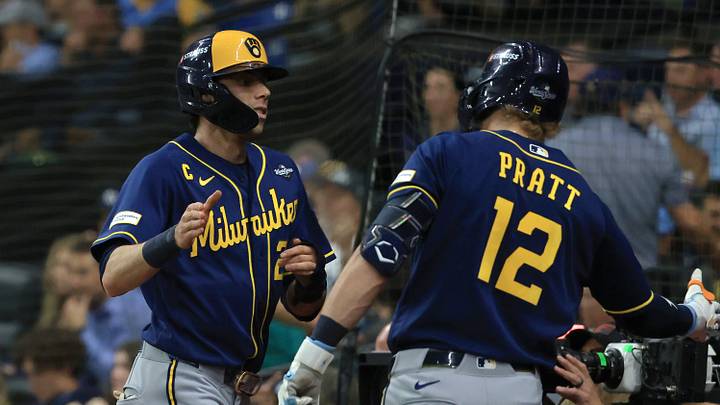
There exists a common narrative in Major League Baseball, that teams must have power to be successful in the postseason. Recent World Series champions like the Los Angeles Dodgers in 2024 and 2025, the Texas Rangers in 2023, the Houston Astros in 2022, and the Atlanta Braves in 2021, reinforced this notion that in order to reach the promised land, teams needed to put the ball over the fence. As a result, the 2026 Milwaukee Brewers, who hit the least amount of home runs in the National League during the regular season, were viewed by some as a risky pick to win the World Series this year.
However, the Brewers put together one of the most dominant runs in MLB history during the 2026 postseason, and their offensive versatility was a major reason why. From dramatic late-inning rallies against the San Diego Padres to, admittedly, power hitting against the Los Angeles Dodgers and an eight-run, homer-less inning against the Tampa Bay Rays, Milwaukee didn't rely on one single method to put runs on the board on a consistent basis.
In Game 1 of the NLDS, Jackson Chourio hit a two-run homer before William Contreras added a go-ahead solo shot in the seventh inning to take down the Padres by a score of 3-2. The following afternoon, Chourio delivered a two-out, two-strike walk-off single against arguably the best closer in baseball in Mason Miller, to give Milwaukee a 4-3 win and a 2-0 series lead. Whereas the Brewers' offense was solely provided by home runs in Game 1, their four runs in Game 2 came via RBI singles and a fielding error by Padres' second baseman Jake Cronenworth.
The Brewers ended up hitting just one more homer as a team during the NLDS -- a solo shot from William Contreras in Milwaukee's Game 3 loss. While the Brewers did hold a modest 3-2 home run advantage over the Padres in the series, it was their 33-23 hit advantage and .340-.278 on-base percentage that stuck out as especially important to their offense's outperformance of San Diego's.
However, during the Brewers' NLCS sweep of the Dodgers, homers played a key role. From Brice Turang's game-tying shot off Tarik Skubal in Game 1, Contreras' game-tying homer in Game 2, Jake Bauers' heroic swing in Game 3, and Garrett Mitchell's left-on-left bombs in Games 3 and 4, the Brewers certainly made use of the big fly to knock off the Dodgers. In fact, Milwaukee out-homered Los Angeles 7-1 during their dominant four-game sweep.
In the World Series, the Brewers continued to make use of this versatile approach in which they didn't try to force home runs, but simply took advantage when the opposing pitcher makes a mistake.
From power hitting to timely base hits, the Brewers’ offense disproved some past trends in World Series run
After taking the first two games of their Fall Classic matchup against the Rays by scores of 3-2 and 5-4, Milwaukee erupted for 10 runs in Game 3. Sal Frelick's incredible game-tying homer in Game 2 was the only homer the Brewers needed to build a 3-0 series lead.
During their Game 3 explosion of offense, which was boosted by an eight-run, two-out rally in the fifth inning, the Brewers simply strung together hit after hit, not needing a homer to build an insurmountable lead. In Game 3, every Brewers starter reached base; eight of nine drove in a run, and Jackson Chourio finished with four hits in the 10-1 victory.
Cooper Pratt and David Hamilton each went deep in the Brewers' Game 4 loss, but, further emphasizing the point that homers aren't all that matters, it wasn't enough for Milwaukee to complete the sweep. Fittingly, the Brewers closed out the World Series in Game 5 without relying on a home run. Instead, they scratched across four runs on eight hits and put the nail in the coffin.
What also makes Milwaukee’s run so impressive is that opposing teams struggled to find one approach that could consistently slow their offense down. The Brewers won close games with late hits, generated power when the opportunity presented itself, or wore down opposing pitching staffs by stringing together consistent quality at-bats. But not allowing opposing pitchers to find a rhythm or any confidence in their pitch arsenal was what made them the juggernaut they became.
The Brewers proved that this dominating rhetoric that home runs are required to win in October is not universal. Homers certainly help, as Milwaukee proved in the NLCS, and, to be fair, the Brewers did out-homer their opponent in each of their three postseason series, but they also showed how a team can win in October by getting on base, chasing opposing starting pitchers, and coming through with timely base hits. It's a reality that serves as encouragement for teams with less power, who previously believed they didn't stand a chance in October, and it's possible it even impacts how front offices think about constructing their lineups going forward.
 Add us as a preferred source on Google