%20%20--%3E%0A%3Csvg%20version%3D%221.1%22%20xmlns%3D%22http%3A%2F%2Fwww.w3.org%2F2000%2Fsvg%22%20xmlns%3Axlink%3D%22http%3A%2F%2Fwww.w3.org%2F1999%2Fxlink%22%20x%3D%220px%22%20y%3D%220px%22%0A%09%20viewBox%3D%220%200%201310.5%20200%22%20style%3D%22enable-background%3Anew%200%200%201310.5%20200%3B%22%20xml%3Aspace%3D%22preserve%22%3E%0A%3Cstyle%20type%3D%22text%2Fcss%22%3E%0A%09.st0%7Bfill%3A%23231F20%3B%7D%0A%09.st1%7Bfill%3A%2312284B%3B%7D%0A%09.st2%7Bfill%3A%23FFC52F%3B%7D%0A%09.st3%7Bfill%3A%23FFFFFF%3B%7D%0A%3C%2Fstyle%3E%0A%3Cg%20id%3D%22Template%22%3E%0A%3C%2Fg%3E%0A%3Cg%20id%3D%22Layer_2%22%3E%0A%09%3Cpolygon%20class%3D%22st2%22%20points%3D%22699.4%2C88.9%20710.8%2C88.9%20710.8%2C84.1%20713.5%2C84.1%20713.5%2C111.6%20708.5%2C111.6%20708.5%2C122.6%20731.2%2C122.6%20%0A%09%09731.2%2C111.6%20726.2%2C111.6%20726.2%2C84.1%20728.8%2C84.1%20728.8%2C88.9%20740.3%2C88.9%20740.3%2C73.3%20699.4%2C73.3%20%09%22%2F%3E%0A%09%3Cpolygon%20class%3D%22st2%22%20points%3D%22774.7%2C84.3%20779.7%2C84.3%20779.7%2C93.2%20761.5%2C93.2%20761.5%2C84.3%20766.6%2C84.3%20766.6%2C73.3%20743.8%2C73.3%20%0A%09%09743.8%2C84.3%20748.9%2C84.3%20748.9%2C111.6%20743.8%2C111.6%20743.8%2C122.6%20766.6%2C122.6%20766.6%2C111.6%20761.5%2C111.6%20761.5%2C103.8%20779.7%2C103.8%20%0A%09%09779.7%2C111.6%20774.7%2C111.6%20774.7%2C122.6%20797.4%2C122.6%20797.4%2C111.6%20792.4%2C111.6%20792.4%2C84.3%20797.4%2C84.3%20797.4%2C73.3%20774.7%2C73.3%20%09%22%2F%3E%0A%09%3Cpolygon%20class%3D%22st2%22%20points%3D%22832.8%2C111.6%20818.7%2C111.6%20818.7%2C103.3%20833.6%2C103.3%20833.6%2C92.6%20818.7%2C92.6%20818.7%2C84.4%20832%2C84.4%20%0A%09%09832%2C89.2%20843.4%2C89.2%20843.4%2C73.3%20801%2C73.3%20801%2C84.3%20806%2C84.3%20806%2C111.6%20801%2C111.6%20801%2C122.6%20844.2%2C122.6%20844.2%2C106.7%20832.8%2C106.7%20%09%0A%09%09%22%2F%3E%0A%09%3Cpath%20class%3D%22st2%22%20d%3D%22M932.2%2C95.6c0.6-0.3%2C1.6-1%2C3.5-2.4c5.7-4.1%2C8.5-10.4%2C8.5-18.7c0-6.9-2.5-13.1-7.4-18.5%0A%09%09c-2.8-2.9-6.9-5.3-12.2-7c-5.3-1.7-11.5-2.5-18.7-2.5h-52.5v22.1H864v58.6h-10.5v22.1H911c14.6%2C0%2C25.1-3.3%2C31.1-9.8%0A%09%09c5.2-5.6%2C7.9-12.2%2C7.9-19.5c0-6.6-2.1-12.3-6.1-16.8C940.8%2C99.8%2C936.9%2C97.3%2C932.2%2C95.6z%20M890.5%2C68.6h9.4c6.5%2C0%2C11.1%2C0.7%2C13.8%2C2%0A%09%09c2.3%2C1.1%2C3.4%2C3.5%2C3.4%2C7.3c0%2C3.7-1.2%2C6-3.6%2C7.1c-2.9%2C1.2-7.5%2C1.9-13.7%2C1.9h-9.3V68.6z%20M918.8%2C125c-3.1%2C1.5-7.8%2C2.2-14.2%2C2.2h-14.2%0A%09%09v-19.6h12c7.4%2C0%2C12.9%2C0.7%2C16.2%2C2.1c2.9%2C1.2%2C4.2%2C3.7%2C4.2%2C7.6C922.8%2C121.2%2C921.5%2C123.7%2C918.8%2C125z%22%2F%3E%0A%09%3Cpath%20class%3D%22st2%22%20d%3D%22M1032.3%2C112.8c12.4-5.2%2C18.7-15.9%2C18.7-31.6c0-12.1-3.7-21-11-26.5c-7.1-5.4-19.1-8.2-35.4-8.2h-51.4v23h10.5%0A%09%09v56.8h-10.5v23h47.5v-23h-10.5v-8.8h13.5l22.4%2C31l0.5%2C0.7h31v-23h-15.3L1032.3%2C112.8z%20M1020.4%2C91.8c-2.6%2C2.2-7.6%2C3.3-15.1%2C3.3%0A%09%09h-15.2V68.9h15.7c7%2C0%2C12%2C0.9%2C14.6%2C2.7c2.4%2C1.7%2C3.7%2C4.9%2C3.7%2C9.6C1024.2%2C86.1%2C1022.9%2C89.6%2C1020.4%2C91.8z%22%2F%3E%0A%09%3Cpolygon%20class%3D%22st2%22%20points%3D%221128.5%2C126.3%201099.2%2C126.3%201099.2%2C109%201130.2%2C109%201130.2%2C86.8%201099.2%2C86.8%201099.2%2C69.6%201126.9%2C69.6%20%0A%09%091126.9%2C79.7%201150.7%2C79.7%201150.7%2C46.5%201062.2%2C46.5%201062.2%2C69.5%201072.7%2C69.5%201072.7%2C126.3%201062.2%2C126.3%201062.2%2C149.3%201152.3%2C149.3%20%0A%09%091152.3%2C116.2%201128.5%2C116.2%20%09%22%2F%3E%0A%09%3Cpolygon%20class%3D%22st2%22%20points%3D%221268.7%2C46.5%201268.7%2C69.5%201274.4%2C69.5%201263.3%2C100.2%201246.2%2C46.5%201219.7%2C46.5%201202.4%2C100.2%201191.5%2C69.5%20%0A%09%091197.2%2C69.5%201197.2%2C46.5%201155.4%2C46.5%201155.4%2C69.5%201163%2C69.5%201191.6%2C148.2%201192%2C149.3%201211.6%2C149.3%201232.9%2C83.9%201254.3%2C149.3%20%0A%09%091273.9%2C149.3%201302.9%2C69.5%201310.5%2C69.5%201310.5%2C46.5%20%09%22%2F%3E%0A%09%3Cg%3E%0A%09%09%3Cpath%20class%3D%22st3%22%20d%3D%22M155.5%2C164.8c-3.3-7.4-3.5-18.6-4.8-30.4c-0.4-3.5-2.9-18-9.9-25.6c-6.8-7.6-15.5-10.6-16.8-11.4%0A%09%09%09c12.4-4.7%2C19.9-10.5%2C24.8-19.4c8.1-15.9%2C8.9-33.3-6.2-48.4c-3.7-3.7-9.3-6.6-16.7-9.1c-28.1-9.9-76.5%2C3.1-102-5.4%0A%09%09%09C15.7%2C12.4%2C14.2%2C6.4%2C13.2%2C2c-0.8-4.3-6.4-0.8-8.5%2C2.5C1.4%2C9.7-2.5%2C21%2C8.9%2C29.1c13.7%2C9.7%2C57.5%2C5.4%2C84.8%2C5.8%0A%09%09%09c29.4%2C0.4%2C34.1%2C22.8%2C22.8%2C43.2c-8.7%2C15.3-28.8%2C14.1-32.1%2C13.2C85.8%2C86.6%2C95.9%2C56%2C97%2C51.9c2.1-6.8-2.9-11.8-8.5-10.3%0A%09%09%09c-7.6%2C2.5-6.2%2C6-30.8%2C12.2c-8.3%2C2.1-4.4%2C7-2.1%2C11.4c0.8%2C1.4%2C0.6%2C4.1%2C0%2C6.8c-0.4%2C1.6-17.2%2C59.4-22.3%2C74.5c-1.5%2C4.5-4.1%2C5.6-7.2%2C7.9%0A%09%09%09c-7%2C4.8-8.3%2C11.8%2C1%2C11.8c14.7-0.2%2C28.3%2C0%2C42%2C0c3.7%2C0%2C6.2-1.7%2C6.4-5.4c0-6.4-7.6-6.4-7.7-10.1c2.9-11.6%2C8.3-33.1%2C11.8-44.3%0A%09%09%09c10.7-0.8%2C19%2C1.7%2C24.6%2C5.8c7%2C5%2C7.7%2C15.5%2C8.1%2C19.6c1.2%2C13.5%2C1.9%2C32.5%2C5.6%2C43c2.5%2C7%2C6.4%2C13.7%2C12.6%2C17c15.9%2C8.3%2C35.8%2C1.6%2C42.6-2.7%0A%09%09%09c5.2-2.9%2C6.8-6.8%2C4.8-10.3C175.7%2C174.7%2C163.1%2C181.5%2C155.5%2C164.8z%22%2F%3E%0A%09%09%3Cpath%20class%3D%22st3%22%20d%3D%22M311.3%2C57.6c6.1%2C0%2C11.7-4.6%2C12.4-10.5c0.9-6-3.5-10.6-9.4-10.6c-6.1%2C0-11.7%2C4.6-12.6%2C10.6%0A%09%09%09C301%2C52.9%2C305.2%2C57.6%2C311.3%2C57.6z%22%2F%3E%0A%09%09%3Cpath%20class%3D%22st3%22%20d%3D%22M510.9%2C57.6c6.1%2C0%2C11.7-4.6%2C12.4-10.5c0.9-6-3.5-10.6-9.4-10.6c-6.1%2C0-11.7%2C4.6-12.6%2C10.6%0A%09%09%09C500.6%2C52.9%2C504.8%2C57.6%2C510.9%2C57.6z%22%2F%3E%0A%09%09%3Cpath%20class%3D%22st3%22%20d%3D%22M690.6%2C91.1c-2.5-2.7-7.6-1.8-9.7%2C1.8c-3.6%2C6.4-8.1%2C21.6-16.5%2C22.2c-1.3%2C0.2-2.4-0.3-3.3-1.2%0A%09%09%09c-0.7-0.9-1.2-2.4-0.3-7.5c2-6.7%2C2.9-10%2C4-13.2c2.8-8.4%2C5.4-14.8%2C6.3-16.6c2.8-5.4%2C4.2-6.3%2C4.5-8.7c0.5-1.8-0.7-3-1.9-3.3%0A%09%09%09c-2.9-0.6-4.5%2C1.5-8.5%2C2.1c-5%2C0.9-13.3-1-13.8%2C2.1c-0.8%2C5.1-2.4%2C9.1-4.8%2C15.9c-6.4%2C19.3-8.8%2C24.6-9.3%2C26.4%0A%09%09%09c-8.1%2C19.8-17.5%2C12.6-16.3-0.3c0.5-4.5%2C1.2-10%2C3-15.6c4.8-14.4%2C9.6-19.6%2C15.4-19.8c2.2%2C3.9%2C8.4%2C2.5%2C8.8-2.2c0-3.6-2.8-7-12.1-6.3%0A%09%09%09c-16.3%2C1.2-32%2C14.3-37.2%2C31.6c-3.6%2C7.9-7.8%2C18.5-14.2%2C17.6c-3-0.3-2.8-4.5-2.1-8.1c0.5-2.7%2C4.3-14.5%2C4.5-21.3%0A%09%09%09c0.1-8.4-5.5-18.1-17.4-18.6c-4.8-0.1-9%2C2.1-12.7%2C5.1c1.2-1.8%2C1.8-2.7%2C2.1-4.3c0.1-1.6-1-3-2-3.1c-2.8-0.8-4.6%2C1.5-8.5%2C2.1%0A%09%09%09c-5.1%2C0.9-13.5-1-14.1%2C2.1c-0.8%2C4.9-2.1%2C9.1-4.6%2C15.9c-2%2C5.5-4%2C10.8-5.9%2C16.1c-3.1%2C6.5-7%2C13.6-12.6%2C14.1c-1.3%2C0-2.4-0.3-3.3-1.3%0A%09%09%09c-1-1.2-1.5-4.3%2C1-12.6c3.9-12.3%2C7.8-22.3%2C9-24.7c2.7-5.4%2C4.2-6.1%2C4.5-8.7c0.3-1.8-0.9-3-1.8-3.1c-3-0.8-4.6%2C1.3-8.7%2C2.1%0A%09%09%09c-5.1%2C0.9-13.5-1.2-13.9%2C2c-0.7%2C5.1-2.1%2C9.1-4.6%2C15.9c-1.2%2C3.4-3.6%2C9.7-5.3%2C14.3c-1.7%2C3.6-4.1%2C7.9-6.9%2C11.3%0A%09%09%09c-1.5%2C1.6-3.5%2C3.6-5.8%2C3.9c-3.6%2C0.4-3.9-3.1-5.7-7.1c1.2-2%2C2.4-4%2C3.6-6c2.2-3.7%2C4.3-7.5%2C5.4-10.2c6.1-14.4%2C5.8-21.6%2C0.3-25.2%0A%09%09%09c-1.6-1.2-3.9-1.5-6.6-1.5c-8.8%2C0.3-11.7%2C8.8-11.7%2C10.9c0%2C4.6%2C3.6%2C8.8%2C7.8%2C10.2c0.1%2C1.4-2.2%2C7.4-6.5%2C14.6%0A%09%09%09c-0.5-0.2-0.9-0.4-1.5-0.5c-5.4-0.6-10%2C3.7-11.4%2C8.8c-0.6%2C2.2-0.1%2C4.3%2C0.4%2C5.8c-0.6%2C0.2-1.3%2C0.6-1.9%2C0.6c-1.2%2C0.1-2.4-0.3-3.1-1.2%0A%09%09%09c-1.2-1.2-1.6-4.5%2C0.9-12.6c3.9-12.4%2C6.4-18%2C7.8-20.5c2.5-5.4%2C4-6.1%2C4.5-8.7c0.1-1.8-1-3-2-3.1c-3-0.8-4.6%2C1.3-8.5%2C2.1%0A%09%09%09c-5.1%2C0.9-13.5-1-14.1%2C2.1c-1.2%2C7.6-2.3%2C8.4-9%2C27.1c-3.3%2C6.9-7.2%2C14.2-13%2C14.7c-1.2%2C0.2-2.4-0.3-3.1-1.2c-2.1-2.3%2C0-9.6%2C0.9-12.6%0A%09%09%09c3.9-12.3%2C7.9-22.3%2C9.1-24.9c2.5-5.2%2C4-6.1%2C4.5-8.5c0.3-1.8-1-3-2-3.3c-2.8-0.6-4.6%2C1.5-8.5%2C2.2c-5.1%2C0.8-13.5-1.2-14.1%2C2%0A%09%09%09c-0.7%2C4.9-2.1%2C9-4.2%2C14.7c-1.4%2C3.9-2.8%2C7.7-4.2%2C11.5c-1.1%2C1.8-2.5%2C3.9-4.3%2C6c-4.2%2C5.1-14.1%2C14.8-27.7%2C14.2%0A%09%09%09c-3.9-0.2-6.6-2.4-8.2-5.2c8.2-3.1%2C26.4-10.6%2C33-21.3c7.2-11.2%2C1.5-22.9-15.1-22.2c-21%2C1-37.8%2C17.3-42.1%2C33.5%0A%09%09%09c-3.2%2C6.9-7.3%2C15.2-13.3%2C15.7c-1.3%2C0-2.4-0.3-3.3-1.3c-1-1.2-1.5-4.3%2C1-12.6c3.9-12.3%2C7.8-22.3%2C9-24.7c2.7-5.4%2C4.2-6.1%2C4.5-8.7%0A%09%09%09c0.3-1.8-0.9-3-1.8-3.1c-3-0.8-4.6%2C1.3-8.7%2C2.1c-5.1%2C0.9-13.5-1.2-13.9%2C2c-0.7%2C5.1-2.1%2C9.1-4.6%2C15.9c-0.7%2C1.9-1.7%2C4.7-2.8%2C7.6%0A%09%09%09c-1.2%2C2.7-4.8%2C11.9-10%2C18.2c-1.5%2C1.6-3.5%2C3.6-5.8%2C3.9c-3.3%2C0.4-3.9-2.6-5.4-6.2c5.5-7.3%2C7.8-13.4%2C8.4-14.9%0A%09%09%09c6.1-14.4%2C5.8-21.6%2C0.3-25.2c-1.6-1.2-3.9-1.5-6.6-1.5c-8.8%2C0.3-11.7%2C8.8-11.7%2C10.9c0%2C4.6%2C3.6%2C8.8%2C7.8%2C10.2%0A%09%09%09c-0.2%2C3.7-2.6%2C8.4-5.5%2C12.5c-0.7-0.3-1.3-0.6-2.1-0.7c-5.4-0.6-10%2C3.7-11.4%2C8.8c-0.4%2C1.5-0.3%2C3.1%2C0%2C4.4c-3.8%2C1.9-8%2C3-10.3%2C0.7%0A%09%09%09c-2-2.2%2C0.1-9.6%2C1-12.6c3.9-12.3%2C7.8-22.3%2C9-24.9c2.7-5.2%2C4.2-6.1%2C4.5-8.5c0.3-1.8-0.9-3-1.8-3.3c-3-0.6-4.6%2C1.5-8.7%2C2.3%0A%09%09%09c-5.1%2C0.8-13.5-1.2-13.9%2C1.9c-1.8%2C9.4-5.7%2C17.7-8.5%2C26.2c-1.1%2C1.7-2.5%2C3.8-4.2%2C5.8c-4.2%2C5.1-14.1%2C14.8-27.7%2C14.2%0A%09%09%09c-3.9-0.2-6.6-2.4-8.2-5.2c8.2-3.1%2C26.4-10.6%2C33-21.3c7.2-11.2%2C1.5-22.9-15.1-22.2c-22.5%2C1-40.3%2C19.6-43%2C36.9%0A%09%09%09c-2.7%2C17.4%2C4.3%2C30%2C22.6%2C30c9.6%2C0%2C18-2.5%2C25.5-6.9c4.3-2.5%2C8.1-5.6%2C11.8-8.8c0.1%2C4.5%2C1.2%2C7.7%2C2.2%2C9.1c3.5%2C4.8%2C9.6%2C7.3%2C17.1%2C6.3%0A%09%09%09c8.7-1.5%2C15.4-5.3%2C21.5-10.1c3.5%2C2.9%2C7%2C3.9%2C8.3%2C4.2c9.4%2C1.9%2C16.3-1.6%2C21.1-5.5c0.4%2C2.5%2C1.1%2C4.5%2C1.8%2C5.5%0A%09%09%09c6.5%2C8.8%2C22.4%2C10.5%2C38.4-7.6c2.8%2C8.4%2C9.9%2C13.7%2C21.7%2C13.7c9.6%2C0%2C18-2.5%2C25.5-6.9c4.3-2.5%2C8.1-5.6%2C11.8-8.8c0.1%2C4.4%2C1.2%2C7.6%2C2.3%2C9%0A%09%09%09c5.8%2C8.2%2C20.1%2C10.5%2C34.7-3.7c2.6%2C10.2%2C18.6%2C16.7%2C35.8%2C0.9c3.1%2C2.2%2C6.1%2C3.1%2C7.2%2C3.3c9%2C1.9%2C15.8-1.3%2C20.5-5c0.4%2C2.3%2C1%2C4.2%2C1.7%2C5.2%0A%09%09%09c5.2%2C7.1%2C16.4%2C9.7%2C28.9%2C1.2c0.1%2C2.6%2C2.2%2C5%2C5%2C5h12.6c2.1%2C0%2C4-1.5%2C4.8-3.6c4.8-13.3%2C8.4-25.2%2C13.5-37.3c1.6-3.9%2C4-8.1%2C5.8-10.6%0A%09%09%09c4.6-6.4%2C13.3-8.7%2C9.4%2C3.6c-6.3%2C19.9-12.3%2C34.2-6.7%2C41.9c6.6%2C9%2C23.1%2C10.5%2C39.5-8.9c1.1%2C2.8%2C2.5%2C5.4%2C4.6%2C7.5%0A%09%09%09c8.7%2C9.1%2C21.3%2C7.9%2C29.4%2C3c-0.6%2C2.2-1.2%2C4.8-1.6%2C7c-9.3%2C40.1-35.3%2C28.9-32.3%2C19.3c5.5%2C1.5%2C12-1%2C11.8-7.8c0-5.2-5.7-9.3-11.7-6.1%0A%09%09%09c-1.9%2C1-2.6%2C1.8-3.2%2C2.3c-53.9-0.8-339.5-1.6-343.4-1.9c-15-1-35.3-2.7-47.6-1.5c-3.9%2C0.3-19.8%2C3.1-20.2%2C15.4%0A%09%09%09c-0.5%2C6.6%2C4.2%2C12.7%2C11.4%2C13.6c11.7%2C1.8%2C18.6-9.3%2C28.3-11.8c10.1-2.5%2C309-4.8%2C364.6-3.4v0.4c-1%2C6.1%2C0.1%2C13%2C2.8%2C17.2%0A%09%09%09c3.6%2C5.8%2C9.4%2C9.1%2C17.8%2C10.3c20.1%2C2.7%2C31.5-13.2%2C35.3-21.6c4.5-9.7%2C7-19.3%2C7-19.3l2.1-8.5c7.9-0.5%2C17.8-5.5%2C27.6-18.7%0A%09%09%09c5.5-7.5%2C6.7-11.1%2C8.4-15.1C691%2C97.3%2C692.3%2C92.8%2C690.6%2C91.1z%20M188.7%2C78.4c5.1-3.7%2C11.7-3.9%2C11.8%2C1.2c0.3%2C10.2-14.7%2C18.4-22.6%2C22.2%0A%09%09%09C177.6%2C94.3%2C180.2%2C84.4%2C188.7%2C78.4z%20M357.9%2C78.4c5.1-3.7%2C11.7-3.9%2C11.8%2C1.2c0.3%2C10.2-14.7%2C18.4-22.6%2C22.2%0A%09%09%09C346.8%2C94.3%2C349.4%2C84.4%2C357.9%2C78.4z%22%2F%3E%0A%09%3C%2Fg%3E%0A%3C%2Fg%3E%0A%3C%2Fsvg%3E%0A)

The 2026 World Series was sold to big-market fans, who were disappointed not to see a collection of superstars in the Fall Classic, as a uniquely entertaining display of fundamental baseball. While unlikely to be a barrage of home runs, a World Series matchup between the Milwaukee Brewers and Tampa Bay Rays restored faith that teams who dedicate themselves to winning on the margins, doing the little things right, and avoiding costly mistakes can win a pennant and compete for a title.
However, while Game 1 of the World Series certainly adhered to the expected lack of homers and brought moments of defensive excellence, the Rays, known for being a strong baserunning team, made a pair of costly blunders on the basepaths that kept the momentum on the Brewers' side for the entire contest. On multiple occasions, Tampa Bay was in the midst of a scoring threat, one that could have tied the game, only for it to be thwarted by a mistake on the basepaths.
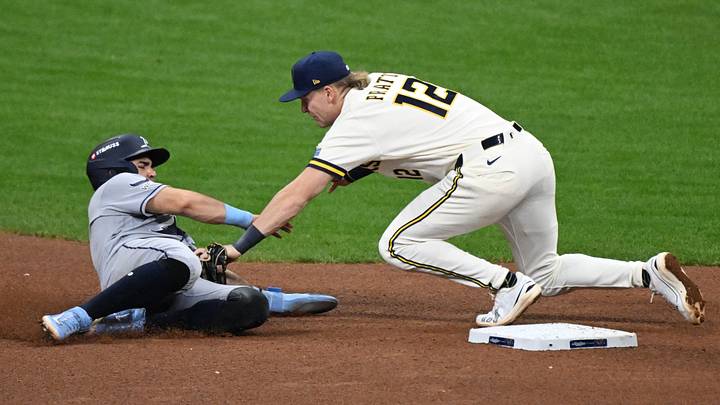
The first instance occurred in the top of the fifth inning. Jacob Misiorowski, whose presence on the field seemingly disproves the short-sighted narrative that this World Series doesn't have any "stars," was nearing the end of his outing, but still had to keep Victor Mesa Jr., who singled to start the inning, from scoring and tying the game at two runs apiece. Mesa advanced to second base on a groundout to third base that David Hamilton and Jake Bauers both made an excellent play on. After a pop-out to Hamilton for the second out of the inning, Mesa stood on second base with Rays' leadoff hitter Yandy Díaz, who is leading the team in basehits during the postseason, at the plate.
However, despite seemingly being able to score from second base on a single, given his above-average sprint speed, Mesa decided to try to advance 90 feet to third base with a surprise stolen base attempt. Brewers' catcher William Contreras, who was among the best controllers of opponents' run game during the regular season, fired a perfect strike right at the inner side of third base. Hamilton applied the tag, Mesa was called out, and the inning ended.
It was a confounding mistake for any team to make, but to see the usually fundamentally-perfect Rays make such a blunder was truly astonishing. Díaz had already made two hard-hit outs against Miz in the first three innings, so he was clearly seeing the Brewers' ace well. Mesa's failed stolen base attempt, however, prevented Díaz from potentially tying the game, and allowed Pat Murphy to call on Abner Uribe in the top of the sixth when Díaz started his third at-bat over. There's truly no justification for Mesa's baserunning error.
Rays uncharacteristic baserunning errors stalled "small-ball" offense in Game 1 of World Series
Once again in the sixth inning, the Rays killed what could have been another scoring opportunity by running into an out on the basepaths. As previously mentioned, Uribe entered the game for the sixth frame, ending Misiorowski's encouraging performance after 78 pitches. Uribe got Díaz to bounce out to second base before allowing a groundball single to Rays' first baseman Jonathan Aranda.
With one out and Aranda standing on first base, Rays' left fielder Chandler Simpson worked a full count against Uribe. On the seventh pitch of the at-bat, Aranda, who has exactly zero stolen bases in his five-year MLB career, took off for second base. Uribe bounced in a slider, but Simpson offered on a check swing, giving Contreras the opportunity to scoop up the pitch and throw Aranda, who is by no means fleet of foot, out by two steps at second base.
Seemingly, given Aranda's inability to steal bases and Simpson's offer at a pitch in the dirt, the Rays were attempting a hit-and-run, knowing Uribe would want to be near the zone or risk walking Simpson with his full-count offering. While Rays' manager Kevin Cash denied that it was a true "hit-and-run" attempt after the game, there's little explanation for why Aranda would otherwise be attempting a steal in that situation. Regardless of the reason, the result was an inning-ending strike-'em-out, throw-'em-out double play that killed the Rays' momentum once again.
It's certainly uncharacteristic for the Rays, who led the AL in stolen bases and were second in base running runs above average (BsR), to make a pair of costly mistakes on the basepaths. Both took away an opportunity to potentially tie the game and shift the momentum at American Family Field. Both teams knew they would have to be close to perfect to knock off the other in the World Series, and on Friday night, the Brewers were certainly closer to perfection than their American League counterparts.
 Add us as a preferred source on Google