%20%20--%3E%0A%3Csvg%20version%3D%221.1%22%20xmlns%3D%22http%3A%2F%2Fwww.w3.org%2F2000%2Fsvg%22%20xmlns%3Axlink%3D%22http%3A%2F%2Fwww.w3.org%2F1999%2Fxlink%22%20x%3D%220px%22%20y%3D%220px%22%0A%09%20viewBox%3D%220%200%201310.5%20200%22%20style%3D%22enable-background%3Anew%200%200%201310.5%20200%3B%22%20xml%3Aspace%3D%22preserve%22%3E%0A%3Cstyle%20type%3D%22text%2Fcss%22%3E%0A%09.st0%7Bfill%3A%23231F20%3B%7D%0A%09.st1%7Bfill%3A%2312284B%3B%7D%0A%09.st2%7Bfill%3A%23FFC52F%3B%7D%0A%09.st3%7Bfill%3A%23FFFFFF%3B%7D%0A%3C%2Fstyle%3E%0A%3Cg%20id%3D%22Template%22%3E%0A%3C%2Fg%3E%0A%3Cg%20id%3D%22Layer_2%22%3E%0A%09%3Cpolygon%20class%3D%22st2%22%20points%3D%22699.4%2C88.9%20710.8%2C88.9%20710.8%2C84.1%20713.5%2C84.1%20713.5%2C111.6%20708.5%2C111.6%20708.5%2C122.6%20731.2%2C122.6%20%0A%09%09731.2%2C111.6%20726.2%2C111.6%20726.2%2C84.1%20728.8%2C84.1%20728.8%2C88.9%20740.3%2C88.9%20740.3%2C73.3%20699.4%2C73.3%20%09%22%2F%3E%0A%09%3Cpolygon%20class%3D%22st2%22%20points%3D%22774.7%2C84.3%20779.7%2C84.3%20779.7%2C93.2%20761.5%2C93.2%20761.5%2C84.3%20766.6%2C84.3%20766.6%2C73.3%20743.8%2C73.3%20%0A%09%09743.8%2C84.3%20748.9%2C84.3%20748.9%2C111.6%20743.8%2C111.6%20743.8%2C122.6%20766.6%2C122.6%20766.6%2C111.6%20761.5%2C111.6%20761.5%2C103.8%20779.7%2C103.8%20%0A%09%09779.7%2C111.6%20774.7%2C111.6%20774.7%2C122.6%20797.4%2C122.6%20797.4%2C111.6%20792.4%2C111.6%20792.4%2C84.3%20797.4%2C84.3%20797.4%2C73.3%20774.7%2C73.3%20%09%22%2F%3E%0A%09%3Cpolygon%20class%3D%22st2%22%20points%3D%22832.8%2C111.6%20818.7%2C111.6%20818.7%2C103.3%20833.6%2C103.3%20833.6%2C92.6%20818.7%2C92.6%20818.7%2C84.4%20832%2C84.4%20%0A%09%09832%2C89.2%20843.4%2C89.2%20843.4%2C73.3%20801%2C73.3%20801%2C84.3%20806%2C84.3%20806%2C111.6%20801%2C111.6%20801%2C122.6%20844.2%2C122.6%20844.2%2C106.7%20832.8%2C106.7%20%09%0A%09%09%22%2F%3E%0A%09%3Cpath%20class%3D%22st2%22%20d%3D%22M932.2%2C95.6c0.6-0.3%2C1.6-1%2C3.5-2.4c5.7-4.1%2C8.5-10.4%2C8.5-18.7c0-6.9-2.5-13.1-7.4-18.5%0A%09%09c-2.8-2.9-6.9-5.3-12.2-7c-5.3-1.7-11.5-2.5-18.7-2.5h-52.5v22.1H864v58.6h-10.5v22.1H911c14.6%2C0%2C25.1-3.3%2C31.1-9.8%0A%09%09c5.2-5.6%2C7.9-12.2%2C7.9-19.5c0-6.6-2.1-12.3-6.1-16.8C940.8%2C99.8%2C936.9%2C97.3%2C932.2%2C95.6z%20M890.5%2C68.6h9.4c6.5%2C0%2C11.1%2C0.7%2C13.8%2C2%0A%09%09c2.3%2C1.1%2C3.4%2C3.5%2C3.4%2C7.3c0%2C3.7-1.2%2C6-3.6%2C7.1c-2.9%2C1.2-7.5%2C1.9-13.7%2C1.9h-9.3V68.6z%20M918.8%2C125c-3.1%2C1.5-7.8%2C2.2-14.2%2C2.2h-14.2%0A%09%09v-19.6h12c7.4%2C0%2C12.9%2C0.7%2C16.2%2C2.1c2.9%2C1.2%2C4.2%2C3.7%2C4.2%2C7.6C922.8%2C121.2%2C921.5%2C123.7%2C918.8%2C125z%22%2F%3E%0A%09%3Cpath%20class%3D%22st2%22%20d%3D%22M1032.3%2C112.8c12.4-5.2%2C18.7-15.9%2C18.7-31.6c0-12.1-3.7-21-11-26.5c-7.1-5.4-19.1-8.2-35.4-8.2h-51.4v23h10.5%0A%09%09v56.8h-10.5v23h47.5v-23h-10.5v-8.8h13.5l22.4%2C31l0.5%2C0.7h31v-23h-15.3L1032.3%2C112.8z%20M1020.4%2C91.8c-2.6%2C2.2-7.6%2C3.3-15.1%2C3.3%0A%09%09h-15.2V68.9h15.7c7%2C0%2C12%2C0.9%2C14.6%2C2.7c2.4%2C1.7%2C3.7%2C4.9%2C3.7%2C9.6C1024.2%2C86.1%2C1022.9%2C89.6%2C1020.4%2C91.8z%22%2F%3E%0A%09%3Cpolygon%20class%3D%22st2%22%20points%3D%221128.5%2C126.3%201099.2%2C126.3%201099.2%2C109%201130.2%2C109%201130.2%2C86.8%201099.2%2C86.8%201099.2%2C69.6%201126.9%2C69.6%20%0A%09%091126.9%2C79.7%201150.7%2C79.7%201150.7%2C46.5%201062.2%2C46.5%201062.2%2C69.5%201072.7%2C69.5%201072.7%2C126.3%201062.2%2C126.3%201062.2%2C149.3%201152.3%2C149.3%20%0A%09%091152.3%2C116.2%201128.5%2C116.2%20%09%22%2F%3E%0A%09%3Cpolygon%20class%3D%22st2%22%20points%3D%221268.7%2C46.5%201268.7%2C69.5%201274.4%2C69.5%201263.3%2C100.2%201246.2%2C46.5%201219.7%2C46.5%201202.4%2C100.2%201191.5%2C69.5%20%0A%09%091197.2%2C69.5%201197.2%2C46.5%201155.4%2C46.5%201155.4%2C69.5%201163%2C69.5%201191.6%2C148.2%201192%2C149.3%201211.6%2C149.3%201232.9%2C83.9%201254.3%2C149.3%20%0A%09%091273.9%2C149.3%201302.9%2C69.5%201310.5%2C69.5%201310.5%2C46.5%20%09%22%2F%3E%0A%09%3Cg%3E%0A%09%09%3Cpath%20class%3D%22st3%22%20d%3D%22M155.5%2C164.8c-3.3-7.4-3.5-18.6-4.8-30.4c-0.4-3.5-2.9-18-9.9-25.6c-6.8-7.6-15.5-10.6-16.8-11.4%0A%09%09%09c12.4-4.7%2C19.9-10.5%2C24.8-19.4c8.1-15.9%2C8.9-33.3-6.2-48.4c-3.7-3.7-9.3-6.6-16.7-9.1c-28.1-9.9-76.5%2C3.1-102-5.4%0A%09%09%09C15.7%2C12.4%2C14.2%2C6.4%2C13.2%2C2c-0.8-4.3-6.4-0.8-8.5%2C2.5C1.4%2C9.7-2.5%2C21%2C8.9%2C29.1c13.7%2C9.7%2C57.5%2C5.4%2C84.8%2C5.8%0A%09%09%09c29.4%2C0.4%2C34.1%2C22.8%2C22.8%2C43.2c-8.7%2C15.3-28.8%2C14.1-32.1%2C13.2C85.8%2C86.6%2C95.9%2C56%2C97%2C51.9c2.1-6.8-2.9-11.8-8.5-10.3%0A%09%09%09c-7.6%2C2.5-6.2%2C6-30.8%2C12.2c-8.3%2C2.1-4.4%2C7-2.1%2C11.4c0.8%2C1.4%2C0.6%2C4.1%2C0%2C6.8c-0.4%2C1.6-17.2%2C59.4-22.3%2C74.5c-1.5%2C4.5-4.1%2C5.6-7.2%2C7.9%0A%09%09%09c-7%2C4.8-8.3%2C11.8%2C1%2C11.8c14.7-0.2%2C28.3%2C0%2C42%2C0c3.7%2C0%2C6.2-1.7%2C6.4-5.4c0-6.4-7.6-6.4-7.7-10.1c2.9-11.6%2C8.3-33.1%2C11.8-44.3%0A%09%09%09c10.7-0.8%2C19%2C1.7%2C24.6%2C5.8c7%2C5%2C7.7%2C15.5%2C8.1%2C19.6c1.2%2C13.5%2C1.9%2C32.5%2C5.6%2C43c2.5%2C7%2C6.4%2C13.7%2C12.6%2C17c15.9%2C8.3%2C35.8%2C1.6%2C42.6-2.7%0A%09%09%09c5.2-2.9%2C6.8-6.8%2C4.8-10.3C175.7%2C174.7%2C163.1%2C181.5%2C155.5%2C164.8z%22%2F%3E%0A%09%09%3Cpath%20class%3D%22st3%22%20d%3D%22M311.3%2C57.6c6.1%2C0%2C11.7-4.6%2C12.4-10.5c0.9-6-3.5-10.6-9.4-10.6c-6.1%2C0-11.7%2C4.6-12.6%2C10.6%0A%09%09%09C301%2C52.9%2C305.2%2C57.6%2C311.3%2C57.6z%22%2F%3E%0A%09%09%3Cpath%20class%3D%22st3%22%20d%3D%22M510.9%2C57.6c6.1%2C0%2C11.7-4.6%2C12.4-10.5c0.9-6-3.5-10.6-9.4-10.6c-6.1%2C0-11.7%2C4.6-12.6%2C10.6%0A%09%09%09C500.6%2C52.9%2C504.8%2C57.6%2C510.9%2C57.6z%22%2F%3E%0A%09%09%3Cpath%20class%3D%22st3%22%20d%3D%22M690.6%2C91.1c-2.5-2.7-7.6-1.8-9.7%2C1.8c-3.6%2C6.4-8.1%2C21.6-16.5%2C22.2c-1.3%2C0.2-2.4-0.3-3.3-1.2%0A%09%09%09c-0.7-0.9-1.2-2.4-0.3-7.5c2-6.7%2C2.9-10%2C4-13.2c2.8-8.4%2C5.4-14.8%2C6.3-16.6c2.8-5.4%2C4.2-6.3%2C4.5-8.7c0.5-1.8-0.7-3-1.9-3.3%0A%09%09%09c-2.9-0.6-4.5%2C1.5-8.5%2C2.1c-5%2C0.9-13.3-1-13.8%2C2.1c-0.8%2C5.1-2.4%2C9.1-4.8%2C15.9c-6.4%2C19.3-8.8%2C24.6-9.3%2C26.4%0A%09%09%09c-8.1%2C19.8-17.5%2C12.6-16.3-0.3c0.5-4.5%2C1.2-10%2C3-15.6c4.8-14.4%2C9.6-19.6%2C15.4-19.8c2.2%2C3.9%2C8.4%2C2.5%2C8.8-2.2c0-3.6-2.8-7-12.1-6.3%0A%09%09%09c-16.3%2C1.2-32%2C14.3-37.2%2C31.6c-3.6%2C7.9-7.8%2C18.5-14.2%2C17.6c-3-0.3-2.8-4.5-2.1-8.1c0.5-2.7%2C4.3-14.5%2C4.5-21.3%0A%09%09%09c0.1-8.4-5.5-18.1-17.4-18.6c-4.8-0.1-9%2C2.1-12.7%2C5.1c1.2-1.8%2C1.8-2.7%2C2.1-4.3c0.1-1.6-1-3-2-3.1c-2.8-0.8-4.6%2C1.5-8.5%2C2.1%0A%09%09%09c-5.1%2C0.9-13.5-1-14.1%2C2.1c-0.8%2C4.9-2.1%2C9.1-4.6%2C15.9c-2%2C5.5-4%2C10.8-5.9%2C16.1c-3.1%2C6.5-7%2C13.6-12.6%2C14.1c-1.3%2C0-2.4-0.3-3.3-1.3%0A%09%09%09c-1-1.2-1.5-4.3%2C1-12.6c3.9-12.3%2C7.8-22.3%2C9-24.7c2.7-5.4%2C4.2-6.1%2C4.5-8.7c0.3-1.8-0.9-3-1.8-3.1c-3-0.8-4.6%2C1.3-8.7%2C2.1%0A%09%09%09c-5.1%2C0.9-13.5-1.2-13.9%2C2c-0.7%2C5.1-2.1%2C9.1-4.6%2C15.9c-1.2%2C3.4-3.6%2C9.7-5.3%2C14.3c-1.7%2C3.6-4.1%2C7.9-6.9%2C11.3%0A%09%09%09c-1.5%2C1.6-3.5%2C3.6-5.8%2C3.9c-3.6%2C0.4-3.9-3.1-5.7-7.1c1.2-2%2C2.4-4%2C3.6-6c2.2-3.7%2C4.3-7.5%2C5.4-10.2c6.1-14.4%2C5.8-21.6%2C0.3-25.2%0A%09%09%09c-1.6-1.2-3.9-1.5-6.6-1.5c-8.8%2C0.3-11.7%2C8.8-11.7%2C10.9c0%2C4.6%2C3.6%2C8.8%2C7.8%2C10.2c0.1%2C1.4-2.2%2C7.4-6.5%2C14.6%0A%09%09%09c-0.5-0.2-0.9-0.4-1.5-0.5c-5.4-0.6-10%2C3.7-11.4%2C8.8c-0.6%2C2.2-0.1%2C4.3%2C0.4%2C5.8c-0.6%2C0.2-1.3%2C0.6-1.9%2C0.6c-1.2%2C0.1-2.4-0.3-3.1-1.2%0A%09%09%09c-1.2-1.2-1.6-4.5%2C0.9-12.6c3.9-12.4%2C6.4-18%2C7.8-20.5c2.5-5.4%2C4-6.1%2C4.5-8.7c0.1-1.8-1-3-2-3.1c-3-0.8-4.6%2C1.3-8.5%2C2.1%0A%09%09%09c-5.1%2C0.9-13.5-1-14.1%2C2.1c-1.2%2C7.6-2.3%2C8.4-9%2C27.1c-3.3%2C6.9-7.2%2C14.2-13%2C14.7c-1.2%2C0.2-2.4-0.3-3.1-1.2c-2.1-2.3%2C0-9.6%2C0.9-12.6%0A%09%09%09c3.9-12.3%2C7.9-22.3%2C9.1-24.9c2.5-5.2%2C4-6.1%2C4.5-8.5c0.3-1.8-1-3-2-3.3c-2.8-0.6-4.6%2C1.5-8.5%2C2.2c-5.1%2C0.8-13.5-1.2-14.1%2C2%0A%09%09%09c-0.7%2C4.9-2.1%2C9-4.2%2C14.7c-1.4%2C3.9-2.8%2C7.7-4.2%2C11.5c-1.1%2C1.8-2.5%2C3.9-4.3%2C6c-4.2%2C5.1-14.1%2C14.8-27.7%2C14.2%0A%09%09%09c-3.9-0.2-6.6-2.4-8.2-5.2c8.2-3.1%2C26.4-10.6%2C33-21.3c7.2-11.2%2C1.5-22.9-15.1-22.2c-21%2C1-37.8%2C17.3-42.1%2C33.5%0A%09%09%09c-3.2%2C6.9-7.3%2C15.2-13.3%2C15.7c-1.3%2C0-2.4-0.3-3.3-1.3c-1-1.2-1.5-4.3%2C1-12.6c3.9-12.3%2C7.8-22.3%2C9-24.7c2.7-5.4%2C4.2-6.1%2C4.5-8.7%0A%09%09%09c0.3-1.8-0.9-3-1.8-3.1c-3-0.8-4.6%2C1.3-8.7%2C2.1c-5.1%2C0.9-13.5-1.2-13.9%2C2c-0.7%2C5.1-2.1%2C9.1-4.6%2C15.9c-0.7%2C1.9-1.7%2C4.7-2.8%2C7.6%0A%09%09%09c-1.2%2C2.7-4.8%2C11.9-10%2C18.2c-1.5%2C1.6-3.5%2C3.6-5.8%2C3.9c-3.3%2C0.4-3.9-2.6-5.4-6.2c5.5-7.3%2C7.8-13.4%2C8.4-14.9%0A%09%09%09c6.1-14.4%2C5.8-21.6%2C0.3-25.2c-1.6-1.2-3.9-1.5-6.6-1.5c-8.8%2C0.3-11.7%2C8.8-11.7%2C10.9c0%2C4.6%2C3.6%2C8.8%2C7.8%2C10.2%0A%09%09%09c-0.2%2C3.7-2.6%2C8.4-5.5%2C12.5c-0.7-0.3-1.3-0.6-2.1-0.7c-5.4-0.6-10%2C3.7-11.4%2C8.8c-0.4%2C1.5-0.3%2C3.1%2C0%2C4.4c-3.8%2C1.9-8%2C3-10.3%2C0.7%0A%09%09%09c-2-2.2%2C0.1-9.6%2C1-12.6c3.9-12.3%2C7.8-22.3%2C9-24.9c2.7-5.2%2C4.2-6.1%2C4.5-8.5c0.3-1.8-0.9-3-1.8-3.3c-3-0.6-4.6%2C1.5-8.7%2C2.3%0A%09%09%09c-5.1%2C0.8-13.5-1.2-13.9%2C1.9c-1.8%2C9.4-5.7%2C17.7-8.5%2C26.2c-1.1%2C1.7-2.5%2C3.8-4.2%2C5.8c-4.2%2C5.1-14.1%2C14.8-27.7%2C14.2%0A%09%09%09c-3.9-0.2-6.6-2.4-8.2-5.2c8.2-3.1%2C26.4-10.6%2C33-21.3c7.2-11.2%2C1.5-22.9-15.1-22.2c-22.5%2C1-40.3%2C19.6-43%2C36.9%0A%09%09%09c-2.7%2C17.4%2C4.3%2C30%2C22.6%2C30c9.6%2C0%2C18-2.5%2C25.5-6.9c4.3-2.5%2C8.1-5.6%2C11.8-8.8c0.1%2C4.5%2C1.2%2C7.7%2C2.2%2C9.1c3.5%2C4.8%2C9.6%2C7.3%2C17.1%2C6.3%0A%09%09%09c8.7-1.5%2C15.4-5.3%2C21.5-10.1c3.5%2C2.9%2C7%2C3.9%2C8.3%2C4.2c9.4%2C1.9%2C16.3-1.6%2C21.1-5.5c0.4%2C2.5%2C1.1%2C4.5%2C1.8%2C5.5%0A%09%09%09c6.5%2C8.8%2C22.4%2C10.5%2C38.4-7.6c2.8%2C8.4%2C9.9%2C13.7%2C21.7%2C13.7c9.6%2C0%2C18-2.5%2C25.5-6.9c4.3-2.5%2C8.1-5.6%2C11.8-8.8c0.1%2C4.4%2C1.2%2C7.6%2C2.3%2C9%0A%09%09%09c5.8%2C8.2%2C20.1%2C10.5%2C34.7-3.7c2.6%2C10.2%2C18.6%2C16.7%2C35.8%2C0.9c3.1%2C2.2%2C6.1%2C3.1%2C7.2%2C3.3c9%2C1.9%2C15.8-1.3%2C20.5-5c0.4%2C2.3%2C1%2C4.2%2C1.7%2C5.2%0A%09%09%09c5.2%2C7.1%2C16.4%2C9.7%2C28.9%2C1.2c0.1%2C2.6%2C2.2%2C5%2C5%2C5h12.6c2.1%2C0%2C4-1.5%2C4.8-3.6c4.8-13.3%2C8.4-25.2%2C13.5-37.3c1.6-3.9%2C4-8.1%2C5.8-10.6%0A%09%09%09c4.6-6.4%2C13.3-8.7%2C9.4%2C3.6c-6.3%2C19.9-12.3%2C34.2-6.7%2C41.9c6.6%2C9%2C23.1%2C10.5%2C39.5-8.9c1.1%2C2.8%2C2.5%2C5.4%2C4.6%2C7.5%0A%09%09%09c8.7%2C9.1%2C21.3%2C7.9%2C29.4%2C3c-0.6%2C2.2-1.2%2C4.8-1.6%2C7c-9.3%2C40.1-35.3%2C28.9-32.3%2C19.3c5.5%2C1.5%2C12-1%2C11.8-7.8c0-5.2-5.7-9.3-11.7-6.1%0A%09%09%09c-1.9%2C1-2.6%2C1.8-3.2%2C2.3c-53.9-0.8-339.5-1.6-343.4-1.9c-15-1-35.3-2.7-47.6-1.5c-3.9%2C0.3-19.8%2C3.1-20.2%2C15.4%0A%09%09%09c-0.5%2C6.6%2C4.2%2C12.7%2C11.4%2C13.6c11.7%2C1.8%2C18.6-9.3%2C28.3-11.8c10.1-2.5%2C309-4.8%2C364.6-3.4v0.4c-1%2C6.1%2C0.1%2C13%2C2.8%2C17.2%0A%09%09%09c3.6%2C5.8%2C9.4%2C9.1%2C17.8%2C10.3c20.1%2C2.7%2C31.5-13.2%2C35.3-21.6c4.5-9.7%2C7-19.3%2C7-19.3l2.1-8.5c7.9-0.5%2C17.8-5.5%2C27.6-18.7%0A%09%09%09c5.5-7.5%2C6.7-11.1%2C8.4-15.1C691%2C97.3%2C692.3%2C92.8%2C690.6%2C91.1z%20M188.7%2C78.4c5.1-3.7%2C11.7-3.9%2C11.8%2C1.2c0.3%2C10.2-14.7%2C18.4-22.6%2C22.2%0A%09%09%09C177.6%2C94.3%2C180.2%2C84.4%2C188.7%2C78.4z%20M357.9%2C78.4c5.1-3.7%2C11.7-3.9%2C11.8%2C1.2c0.3%2C10.2-14.7%2C18.4-22.6%2C22.2%0A%09%09%09C346.8%2C94.3%2C349.4%2C84.4%2C357.9%2C78.4z%22%2F%3E%0A%09%3C%2Fg%3E%0A%3C%2Fg%3E%0A%3C%2Fsvg%3E%0A)

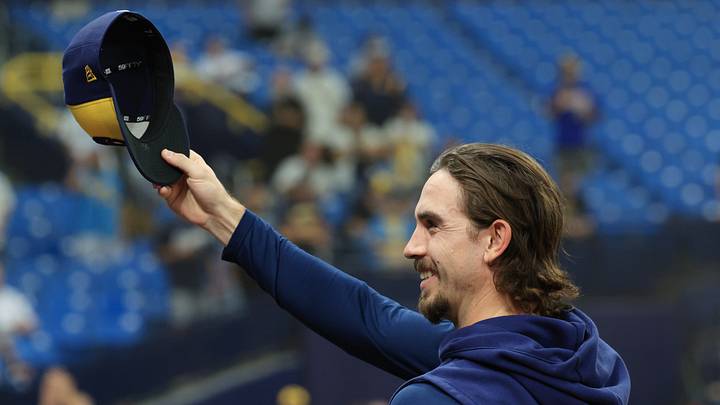
The Milwaukee Brewers are World Champions. Yes, as Christian Yelich said on Saturday Night Live, "It wasn't a dream." It really happened. After years of near misses and demoralizing postseason exits, after years of taking "bites of the apple" and national media members complaining about the front office not going "all-in," the 2026 Brewers finally got over the hump and delivered the franchise its first-ever World Series title.
More than most other World Series wins, the Brewers' victory was a testament to organizational excellence. Perhaps that is what's required for a small-market team to reach the promised land, but regardless, it was apparent that Milwaukee wouldn't have hoisted the Commissioner's Trophy without the cohesive effort of their roster, coaching staff, player development staff, front office, ownership group, and every other part of the organization that contributed to the Brewers' first World Series title.
Whereas other organizations can afford to build a World Series-caliber roster by relying on the free agent market, the cash-strapped Brewers had to do so by developing players they drafted, by investing in the international market, and by trading their soon-to-be-departing stars for young, unproven talent. That strategy requires excellence throughout the organizational hierarchy, from the scouts who identify players to the coaches who develop them to the front office that decides how to incorporate those players on the big-league roster.
The result is an organization not built around big stars who decided to sign with the Brewers after reaching free agency, as was the case of the previous three World Series champions (the Los Angeles Dodgers in 2024 and 2025 and the Texas Rangers in 2023). Rather, the Brewers' championship-winning roster was a collection of players who perfectly complemented one another and each adhered to the culture that has been built in Milwaukee. To that extent, seeing as Milwaukee's World Series roster wasn't filled with familiar All-Stars, there were a number of overlooked contributors or unsung heroes who played a part in the Brewers' first-ever title. Here are eight people whose contributions far exceed the recognition they've received in the days following the Brewers' World Series victory.
Unsung heroes who played a key part in the Brewers' World Series championship
1. LHP Robert Gasser
The Brewers entered the 2026 postseason without an obvious No. 3 starter. There were certainly a number of candidates to fill the role, but even as the Brewers began their NLDS matchup with the San Diego Padres, it was unclear who would follow Jacob Misiorowski and Logan Henderson as Milwaukee's Game 3 starter. Against the Padres, it was trade deadline acquisition Dustin May who assumed the No. 3 starter role, with rookie southpaw Robert Gasser earning the start in Game 4. However, after Gasser impressed in his start in San Diego, the left-hander was granted the Game 3 start in both the NLCS and World Series.
Gasser lived up to that added responsibility, covering five scoreless innings against the mighty Los Angeles Dodgers in Game 3 of the NLCS, and posting a six-inning shutout against the pesky Tampa Bay Rays' lineup in Game 3 of the World Series. In his Fall Classic start, Gasser, the beneficiary of two double plays during his start, faced the minimum through six innings, becoming the first southpaw to do so in the World Series since Hall of Famer Sandy Koufax.
For the top seed, who carries home-field advantage throughout the postseason, the No. 3 starter takes on the added responsibility of pitching on the road in each series. Gasser made starts in San Diego, Los Angeles, and Tampa, without having a single playoff start at home, and turned in a 0.60 ERA in 15 total innings. Without Gasser hitting his stride in October, the Brewers' 2026 World Series run certainly wouldn't have looked the same.
2. Relief pitchers acquired at the trade deadline
The Brewers do not have a long track record of success when trading for relief pitchers at the trade deadline. Outside of Nick Mears, who had an inconsistent tenure in Milwaukee but impressed during the 2024 postseason, the Brewers haven't seen a trade deadline reliever add meaningful production since Drew Pomeranz's incredible run back in 2019. However, every year, the Brewers continue to try to supplement their bullpen at the midseason trade deadline. This year, they succeeded.
Both LHP JoJo Romero, whom the Brewers acquired from the St. Louis Cardinals alongside Dustin May, and RHP Antonio Senzatela, who was brought in from the Colorado Rockies, played important roles in Milwaukee's 2026 World Series run. Romero, who didn't make his Brewers debut until September due to his recovery from a mid-July emergency appendectomy, was excellent in October, allowing just one earned run in seven appearances. During the World Series, Romero made three appearances, covered 2.2 innings, and didn't allow a single run.
Meanwhile, Senzatela, whose last postseason appearance was Game 1 of the 2018 NLDS in which he faced the Brewers at then-Miller Park, didn't allow a single run during the playoffs this year. The starter-turned-reliever made four total appearances, two of which came during the World Series, and was unscored upon in each of them. For a team that has struggled with deadline reliever acquisitions in years past, the Brewers were spot on with their acquisitions of Romero and Senzatela this year.
3. LHP DL Hall
Believe it or not, DL Hall collected three wins during this year's postseason. As a result, he trails only Jacob Misiorowski, who doubled his total with a pair of wins this year, for the most postseason wins in franchise history. While the importance of pitcher wins has certainly lost significance in recent years, the fact that Hall racked up three this year proves that he was called upon in important, high-leverage situations through the Brewers' World Series run.
It started in Game 1 of the NLDS, when Hall, who was asked to finish the seventh inning and collect the first two outs of the eighth, was in the game when William Contreras crushed his go-ahead solo homer in the bottom of the seventh inning. Then, Hall once again earned the win in Game 1 of the NLCS when his relief of Misiorowski in the fifth inning coincided with the Brewers taking the lead in the bottom of the frame. Finally, in Game 3 of the NLCS, it was Hall who was called upon to keep the contest close as Jake Bauers and Garrett Mitchell came through with their heroic seventh-inning homers. Covering seven outs in that game, Hall once again earned the win.
In addition to his three postseason wins, Hall made three additional appearances, which gave him a whopping eight scoreless innings during the Brewers' World Series run. There's no denying that without the key innings Hall covered, which came when the Brewers were ahead, trailing, and tied, Milwaukee's World Series run wouldn't have played out the way it did.
4. 3B David Hamilton
Before the season began, manager Pat Murphy predicted that infielder David Hamilton, whom the Brewers acquired from the Boston Red Sox during the offseason, would take a "quantum leap." While the definition of a "quantum leap" is undoubtedly subjective, arguing that Hamilton took one during the 2026 regular season would be a difficult stance to defend -- Hamilton's 80 OPS+ indicates that he was 20% worse than the league-average hitter during the 2026 season.
However, when the postseason arrived, Hamilton took his game to another level, which perhaps speaks to the intangible qualities that Murphy identified way back in February. When the lights shined brightest in October, Hamilton posted a .333 batting average, crushed two key home runs, drove in six runs, and stole three bases.
Undoubtedly, the most shocking part of Hamilton's postseason performance was the two longballs. The left-handed hitting infielder popped just four homers during the regular season, but crushed a homer in both Game 4 of the NLCS and Game 4 of the World Series. Incredibly, Hamilton's .593 slugging percentage was higher than any of his teammates' during the postseason, reinforcing the fact that he reached new heights in October.
5. Coaches Daniel Vogelbach, Matt Erickson, and Spencer Allen
None of Daniel Vogelbach (hitting coach), Matt Erickson (third base/infield coach), and Spencer Allen (first base/outfield coach) were a part of the Brewers' coaching staff in 2025, meaning each of them was making their postseason debuts as coaches during Milwaukee's memorable 2026 run. Dealing with an unfamiliar level of pressure, all three rose to the occasion.
Vogelbach's offensive approach was undoubtedly a key part of the Brewers' postseason success in 2026. Frequently cited as a reason for their success in October was the Brewers' ability to work deep counts, not chase pitches out of the zone, and therefore remove opposing starting pitchers during the first four or five innings of the game. All of that has to do with the unique approach that Vogelbach preached throughout the 2026 season.
Erickson, meanwhile, was not only brilliant as the team's third base coach, but he also guided one of the best defensive units in baseball throughout the season. Sure, there were some errors from the Brewers' infield defense during the postseason, but more often than not, said errors were the result of execution rather than positioning or strategy -- the areas of the game that Erickson impacted.
Finally, first base coach Spencer Allen, who also headed the Brewers' base-stealing unit and outfield defensive positioning, clearly had an impact on this year's squad. The Brewers stole 19 bases during the 2026 playoffs -- more than any other team -- and there's no denying their outfield positing was key to their run prevention unit.
Unsung heroes of the Brewers coaching staff, the trio of Vogelbach, Erickson, and Allen undoubtedly played a key role in Milwaukee's first-ever World Series title. Already, other organizations are talking about potentially poaching each of the three coaches for promotions in their respective clubs. Such a reality is a sign that the Brewers did well with their coaching hires prior to the 2026 campaign.
 Add us as a preferred source on Google