%20%20--%3E%0A%3Csvg%20version%3D%221.1%22%20xmlns%3D%22http%3A%2F%2Fwww.w3.org%2F2000%2Fsvg%22%20xmlns%3Axlink%3D%22http%3A%2F%2Fwww.w3.org%2F1999%2Fxlink%22%20x%3D%220px%22%20y%3D%220px%22%0A%09%20viewBox%3D%220%200%201310.5%20200%22%20style%3D%22enable-background%3Anew%200%200%201310.5%20200%3B%22%20xml%3Aspace%3D%22preserve%22%3E%0A%3Cstyle%20type%3D%22text%2Fcss%22%3E%0A%09.st0%7Bfill%3A%23231F20%3B%7D%0A%09.st1%7Bfill%3A%2312284B%3B%7D%0A%09.st2%7Bfill%3A%23FFC52F%3B%7D%0A%09.st3%7Bfill%3A%23FFFFFF%3B%7D%0A%3C%2Fstyle%3E%0A%3Cg%20id%3D%22Template%22%3E%0A%3C%2Fg%3E%0A%3Cg%20id%3D%22Layer_2%22%3E%0A%09%3Cpolygon%20class%3D%22st2%22%20points%3D%22699.4%2C88.9%20710.8%2C88.9%20710.8%2C84.1%20713.5%2C84.1%20713.5%2C111.6%20708.5%2C111.6%20708.5%2C122.6%20731.2%2C122.6%20%0A%09%09731.2%2C111.6%20726.2%2C111.6%20726.2%2C84.1%20728.8%2C84.1%20728.8%2C88.9%20740.3%2C88.9%20740.3%2C73.3%20699.4%2C73.3%20%09%22%2F%3E%0A%09%3Cpolygon%20class%3D%22st2%22%20points%3D%22774.7%2C84.3%20779.7%2C84.3%20779.7%2C93.2%20761.5%2C93.2%20761.5%2C84.3%20766.6%2C84.3%20766.6%2C73.3%20743.8%2C73.3%20%0A%09%09743.8%2C84.3%20748.9%2C84.3%20748.9%2C111.6%20743.8%2C111.6%20743.8%2C122.6%20766.6%2C122.6%20766.6%2C111.6%20761.5%2C111.6%20761.5%2C103.8%20779.7%2C103.8%20%0A%09%09779.7%2C111.6%20774.7%2C111.6%20774.7%2C122.6%20797.4%2C122.6%20797.4%2C111.6%20792.4%2C111.6%20792.4%2C84.3%20797.4%2C84.3%20797.4%2C73.3%20774.7%2C73.3%20%09%22%2F%3E%0A%09%3Cpolygon%20class%3D%22st2%22%20points%3D%22832.8%2C111.6%20818.7%2C111.6%20818.7%2C103.3%20833.6%2C103.3%20833.6%2C92.6%20818.7%2C92.6%20818.7%2C84.4%20832%2C84.4%20%0A%09%09832%2C89.2%20843.4%2C89.2%20843.4%2C73.3%20801%2C73.3%20801%2C84.3%20806%2C84.3%20806%2C111.6%20801%2C111.6%20801%2C122.6%20844.2%2C122.6%20844.2%2C106.7%20832.8%2C106.7%20%09%0A%09%09%22%2F%3E%0A%09%3Cpath%20class%3D%22st2%22%20d%3D%22M932.2%2C95.6c0.6-0.3%2C1.6-1%2C3.5-2.4c5.7-4.1%2C8.5-10.4%2C8.5-18.7c0-6.9-2.5-13.1-7.4-18.5%0A%09%09c-2.8-2.9-6.9-5.3-12.2-7c-5.3-1.7-11.5-2.5-18.7-2.5h-52.5v22.1H864v58.6h-10.5v22.1H911c14.6%2C0%2C25.1-3.3%2C31.1-9.8%0A%09%09c5.2-5.6%2C7.9-12.2%2C7.9-19.5c0-6.6-2.1-12.3-6.1-16.8C940.8%2C99.8%2C936.9%2C97.3%2C932.2%2C95.6z%20M890.5%2C68.6h9.4c6.5%2C0%2C11.1%2C0.7%2C13.8%2C2%0A%09%09c2.3%2C1.1%2C3.4%2C3.5%2C3.4%2C7.3c0%2C3.7-1.2%2C6-3.6%2C7.1c-2.9%2C1.2-7.5%2C1.9-13.7%2C1.9h-9.3V68.6z%20M918.8%2C125c-3.1%2C1.5-7.8%2C2.2-14.2%2C2.2h-14.2%0A%09%09v-19.6h12c7.4%2C0%2C12.9%2C0.7%2C16.2%2C2.1c2.9%2C1.2%2C4.2%2C3.7%2C4.2%2C7.6C922.8%2C121.2%2C921.5%2C123.7%2C918.8%2C125z%22%2F%3E%0A%09%3Cpath%20class%3D%22st2%22%20d%3D%22M1032.3%2C112.8c12.4-5.2%2C18.7-15.9%2C18.7-31.6c0-12.1-3.7-21-11-26.5c-7.1-5.4-19.1-8.2-35.4-8.2h-51.4v23h10.5%0A%09%09v56.8h-10.5v23h47.5v-23h-10.5v-8.8h13.5l22.4%2C31l0.5%2C0.7h31v-23h-15.3L1032.3%2C112.8z%20M1020.4%2C91.8c-2.6%2C2.2-7.6%2C3.3-15.1%2C3.3%0A%09%09h-15.2V68.9h15.7c7%2C0%2C12%2C0.9%2C14.6%2C2.7c2.4%2C1.7%2C3.7%2C4.9%2C3.7%2C9.6C1024.2%2C86.1%2C1022.9%2C89.6%2C1020.4%2C91.8z%22%2F%3E%0A%09%3Cpolygon%20class%3D%22st2%22%20points%3D%221128.5%2C126.3%201099.2%2C126.3%201099.2%2C109%201130.2%2C109%201130.2%2C86.8%201099.2%2C86.8%201099.2%2C69.6%201126.9%2C69.6%20%0A%09%091126.9%2C79.7%201150.7%2C79.7%201150.7%2C46.5%201062.2%2C46.5%201062.2%2C69.5%201072.7%2C69.5%201072.7%2C126.3%201062.2%2C126.3%201062.2%2C149.3%201152.3%2C149.3%20%0A%09%091152.3%2C116.2%201128.5%2C116.2%20%09%22%2F%3E%0A%09%3Cpolygon%20class%3D%22st2%22%20points%3D%221268.7%2C46.5%201268.7%2C69.5%201274.4%2C69.5%201263.3%2C100.2%201246.2%2C46.5%201219.7%2C46.5%201202.4%2C100.2%201191.5%2C69.5%20%0A%09%091197.2%2C69.5%201197.2%2C46.5%201155.4%2C46.5%201155.4%2C69.5%201163%2C69.5%201191.6%2C148.2%201192%2C149.3%201211.6%2C149.3%201232.9%2C83.9%201254.3%2C149.3%20%0A%09%091273.9%2C149.3%201302.9%2C69.5%201310.5%2C69.5%201310.5%2C46.5%20%09%22%2F%3E%0A%09%3Cg%3E%0A%09%09%3Cpath%20class%3D%22st3%22%20d%3D%22M155.5%2C164.8c-3.3-7.4-3.5-18.6-4.8-30.4c-0.4-3.5-2.9-18-9.9-25.6c-6.8-7.6-15.5-10.6-16.8-11.4%0A%09%09%09c12.4-4.7%2C19.9-10.5%2C24.8-19.4c8.1-15.9%2C8.9-33.3-6.2-48.4c-3.7-3.7-9.3-6.6-16.7-9.1c-28.1-9.9-76.5%2C3.1-102-5.4%0A%09%09%09C15.7%2C12.4%2C14.2%2C6.4%2C13.2%2C2c-0.8-4.3-6.4-0.8-8.5%2C2.5C1.4%2C9.7-2.5%2C21%2C8.9%2C29.1c13.7%2C9.7%2C57.5%2C5.4%2C84.8%2C5.8%0A%09%09%09c29.4%2C0.4%2C34.1%2C22.8%2C22.8%2C43.2c-8.7%2C15.3-28.8%2C14.1-32.1%2C13.2C85.8%2C86.6%2C95.9%2C56%2C97%2C51.9c2.1-6.8-2.9-11.8-8.5-10.3%0A%09%09%09c-7.6%2C2.5-6.2%2C6-30.8%2C12.2c-8.3%2C2.1-4.4%2C7-2.1%2C11.4c0.8%2C1.4%2C0.6%2C4.1%2C0%2C6.8c-0.4%2C1.6-17.2%2C59.4-22.3%2C74.5c-1.5%2C4.5-4.1%2C5.6-7.2%2C7.9%0A%09%09%09c-7%2C4.8-8.3%2C11.8%2C1%2C11.8c14.7-0.2%2C28.3%2C0%2C42%2C0c3.7%2C0%2C6.2-1.7%2C6.4-5.4c0-6.4-7.6-6.4-7.7-10.1c2.9-11.6%2C8.3-33.1%2C11.8-44.3%0A%09%09%09c10.7-0.8%2C19%2C1.7%2C24.6%2C5.8c7%2C5%2C7.7%2C15.5%2C8.1%2C19.6c1.2%2C13.5%2C1.9%2C32.5%2C5.6%2C43c2.5%2C7%2C6.4%2C13.7%2C12.6%2C17c15.9%2C8.3%2C35.8%2C1.6%2C42.6-2.7%0A%09%09%09c5.2-2.9%2C6.8-6.8%2C4.8-10.3C175.7%2C174.7%2C163.1%2C181.5%2C155.5%2C164.8z%22%2F%3E%0A%09%09%3Cpath%20class%3D%22st3%22%20d%3D%22M311.3%2C57.6c6.1%2C0%2C11.7-4.6%2C12.4-10.5c0.9-6-3.5-10.6-9.4-10.6c-6.1%2C0-11.7%2C4.6-12.6%2C10.6%0A%09%09%09C301%2C52.9%2C305.2%2C57.6%2C311.3%2C57.6z%22%2F%3E%0A%09%09%3Cpath%20class%3D%22st3%22%20d%3D%22M510.9%2C57.6c6.1%2C0%2C11.7-4.6%2C12.4-10.5c0.9-6-3.5-10.6-9.4-10.6c-6.1%2C0-11.7%2C4.6-12.6%2C10.6%0A%09%09%09C500.6%2C52.9%2C504.8%2C57.6%2C510.9%2C57.6z%22%2F%3E%0A%09%09%3Cpath%20class%3D%22st3%22%20d%3D%22M690.6%2C91.1c-2.5-2.7-7.6-1.8-9.7%2C1.8c-3.6%2C6.4-8.1%2C21.6-16.5%2C22.2c-1.3%2C0.2-2.4-0.3-3.3-1.2%0A%09%09%09c-0.7-0.9-1.2-2.4-0.3-7.5c2-6.7%2C2.9-10%2C4-13.2c2.8-8.4%2C5.4-14.8%2C6.3-16.6c2.8-5.4%2C4.2-6.3%2C4.5-8.7c0.5-1.8-0.7-3-1.9-3.3%0A%09%09%09c-2.9-0.6-4.5%2C1.5-8.5%2C2.1c-5%2C0.9-13.3-1-13.8%2C2.1c-0.8%2C5.1-2.4%2C9.1-4.8%2C15.9c-6.4%2C19.3-8.8%2C24.6-9.3%2C26.4%0A%09%09%09c-8.1%2C19.8-17.5%2C12.6-16.3-0.3c0.5-4.5%2C1.2-10%2C3-15.6c4.8-14.4%2C9.6-19.6%2C15.4-19.8c2.2%2C3.9%2C8.4%2C2.5%2C8.8-2.2c0-3.6-2.8-7-12.1-6.3%0A%09%09%09c-16.3%2C1.2-32%2C14.3-37.2%2C31.6c-3.6%2C7.9-7.8%2C18.5-14.2%2C17.6c-3-0.3-2.8-4.5-2.1-8.1c0.5-2.7%2C4.3-14.5%2C4.5-21.3%0A%09%09%09c0.1-8.4-5.5-18.1-17.4-18.6c-4.8-0.1-9%2C2.1-12.7%2C5.1c1.2-1.8%2C1.8-2.7%2C2.1-4.3c0.1-1.6-1-3-2-3.1c-2.8-0.8-4.6%2C1.5-8.5%2C2.1%0A%09%09%09c-5.1%2C0.9-13.5-1-14.1%2C2.1c-0.8%2C4.9-2.1%2C9.1-4.6%2C15.9c-2%2C5.5-4%2C10.8-5.9%2C16.1c-3.1%2C6.5-7%2C13.6-12.6%2C14.1c-1.3%2C0-2.4-0.3-3.3-1.3%0A%09%09%09c-1-1.2-1.5-4.3%2C1-12.6c3.9-12.3%2C7.8-22.3%2C9-24.7c2.7-5.4%2C4.2-6.1%2C4.5-8.7c0.3-1.8-0.9-3-1.8-3.1c-3-0.8-4.6%2C1.3-8.7%2C2.1%0A%09%09%09c-5.1%2C0.9-13.5-1.2-13.9%2C2c-0.7%2C5.1-2.1%2C9.1-4.6%2C15.9c-1.2%2C3.4-3.6%2C9.7-5.3%2C14.3c-1.7%2C3.6-4.1%2C7.9-6.9%2C11.3%0A%09%09%09c-1.5%2C1.6-3.5%2C3.6-5.8%2C3.9c-3.6%2C0.4-3.9-3.1-5.7-7.1c1.2-2%2C2.4-4%2C3.6-6c2.2-3.7%2C4.3-7.5%2C5.4-10.2c6.1-14.4%2C5.8-21.6%2C0.3-25.2%0A%09%09%09c-1.6-1.2-3.9-1.5-6.6-1.5c-8.8%2C0.3-11.7%2C8.8-11.7%2C10.9c0%2C4.6%2C3.6%2C8.8%2C7.8%2C10.2c0.1%2C1.4-2.2%2C7.4-6.5%2C14.6%0A%09%09%09c-0.5-0.2-0.9-0.4-1.5-0.5c-5.4-0.6-10%2C3.7-11.4%2C8.8c-0.6%2C2.2-0.1%2C4.3%2C0.4%2C5.8c-0.6%2C0.2-1.3%2C0.6-1.9%2C0.6c-1.2%2C0.1-2.4-0.3-3.1-1.2%0A%09%09%09c-1.2-1.2-1.6-4.5%2C0.9-12.6c3.9-12.4%2C6.4-18%2C7.8-20.5c2.5-5.4%2C4-6.1%2C4.5-8.7c0.1-1.8-1-3-2-3.1c-3-0.8-4.6%2C1.3-8.5%2C2.1%0A%09%09%09c-5.1%2C0.9-13.5-1-14.1%2C2.1c-1.2%2C7.6-2.3%2C8.4-9%2C27.1c-3.3%2C6.9-7.2%2C14.2-13%2C14.7c-1.2%2C0.2-2.4-0.3-3.1-1.2c-2.1-2.3%2C0-9.6%2C0.9-12.6%0A%09%09%09c3.9-12.3%2C7.9-22.3%2C9.1-24.9c2.5-5.2%2C4-6.1%2C4.5-8.5c0.3-1.8-1-3-2-3.3c-2.8-0.6-4.6%2C1.5-8.5%2C2.2c-5.1%2C0.8-13.5-1.2-14.1%2C2%0A%09%09%09c-0.7%2C4.9-2.1%2C9-4.2%2C14.7c-1.4%2C3.9-2.8%2C7.7-4.2%2C11.5c-1.1%2C1.8-2.5%2C3.9-4.3%2C6c-4.2%2C5.1-14.1%2C14.8-27.7%2C14.2%0A%09%09%09c-3.9-0.2-6.6-2.4-8.2-5.2c8.2-3.1%2C26.4-10.6%2C33-21.3c7.2-11.2%2C1.5-22.9-15.1-22.2c-21%2C1-37.8%2C17.3-42.1%2C33.5%0A%09%09%09c-3.2%2C6.9-7.3%2C15.2-13.3%2C15.7c-1.3%2C0-2.4-0.3-3.3-1.3c-1-1.2-1.5-4.3%2C1-12.6c3.9-12.3%2C7.8-22.3%2C9-24.7c2.7-5.4%2C4.2-6.1%2C4.5-8.7%0A%09%09%09c0.3-1.8-0.9-3-1.8-3.1c-3-0.8-4.6%2C1.3-8.7%2C2.1c-5.1%2C0.9-13.5-1.2-13.9%2C2c-0.7%2C5.1-2.1%2C9.1-4.6%2C15.9c-0.7%2C1.9-1.7%2C4.7-2.8%2C7.6%0A%09%09%09c-1.2%2C2.7-4.8%2C11.9-10%2C18.2c-1.5%2C1.6-3.5%2C3.6-5.8%2C3.9c-3.3%2C0.4-3.9-2.6-5.4-6.2c5.5-7.3%2C7.8-13.4%2C8.4-14.9%0A%09%09%09c6.1-14.4%2C5.8-21.6%2C0.3-25.2c-1.6-1.2-3.9-1.5-6.6-1.5c-8.8%2C0.3-11.7%2C8.8-11.7%2C10.9c0%2C4.6%2C3.6%2C8.8%2C7.8%2C10.2%0A%09%09%09c-0.2%2C3.7-2.6%2C8.4-5.5%2C12.5c-0.7-0.3-1.3-0.6-2.1-0.7c-5.4-0.6-10%2C3.7-11.4%2C8.8c-0.4%2C1.5-0.3%2C3.1%2C0%2C4.4c-3.8%2C1.9-8%2C3-10.3%2C0.7%0A%09%09%09c-2-2.2%2C0.1-9.6%2C1-12.6c3.9-12.3%2C7.8-22.3%2C9-24.9c2.7-5.2%2C4.2-6.1%2C4.5-8.5c0.3-1.8-0.9-3-1.8-3.3c-3-0.6-4.6%2C1.5-8.7%2C2.3%0A%09%09%09c-5.1%2C0.8-13.5-1.2-13.9%2C1.9c-1.8%2C9.4-5.7%2C17.7-8.5%2C26.2c-1.1%2C1.7-2.5%2C3.8-4.2%2C5.8c-4.2%2C5.1-14.1%2C14.8-27.7%2C14.2%0A%09%09%09c-3.9-0.2-6.6-2.4-8.2-5.2c8.2-3.1%2C26.4-10.6%2C33-21.3c7.2-11.2%2C1.5-22.9-15.1-22.2c-22.5%2C1-40.3%2C19.6-43%2C36.9%0A%09%09%09c-2.7%2C17.4%2C4.3%2C30%2C22.6%2C30c9.6%2C0%2C18-2.5%2C25.5-6.9c4.3-2.5%2C8.1-5.6%2C11.8-8.8c0.1%2C4.5%2C1.2%2C7.7%2C2.2%2C9.1c3.5%2C4.8%2C9.6%2C7.3%2C17.1%2C6.3%0A%09%09%09c8.7-1.5%2C15.4-5.3%2C21.5-10.1c3.5%2C2.9%2C7%2C3.9%2C8.3%2C4.2c9.4%2C1.9%2C16.3-1.6%2C21.1-5.5c0.4%2C2.5%2C1.1%2C4.5%2C1.8%2C5.5%0A%09%09%09c6.5%2C8.8%2C22.4%2C10.5%2C38.4-7.6c2.8%2C8.4%2C9.9%2C13.7%2C21.7%2C13.7c9.6%2C0%2C18-2.5%2C25.5-6.9c4.3-2.5%2C8.1-5.6%2C11.8-8.8c0.1%2C4.4%2C1.2%2C7.6%2C2.3%2C9%0A%09%09%09c5.8%2C8.2%2C20.1%2C10.5%2C34.7-3.7c2.6%2C10.2%2C18.6%2C16.7%2C35.8%2C0.9c3.1%2C2.2%2C6.1%2C3.1%2C7.2%2C3.3c9%2C1.9%2C15.8-1.3%2C20.5-5c0.4%2C2.3%2C1%2C4.2%2C1.7%2C5.2%0A%09%09%09c5.2%2C7.1%2C16.4%2C9.7%2C28.9%2C1.2c0.1%2C2.6%2C2.2%2C5%2C5%2C5h12.6c2.1%2C0%2C4-1.5%2C4.8-3.6c4.8-13.3%2C8.4-25.2%2C13.5-37.3c1.6-3.9%2C4-8.1%2C5.8-10.6%0A%09%09%09c4.6-6.4%2C13.3-8.7%2C9.4%2C3.6c-6.3%2C19.9-12.3%2C34.2-6.7%2C41.9c6.6%2C9%2C23.1%2C10.5%2C39.5-8.9c1.1%2C2.8%2C2.5%2C5.4%2C4.6%2C7.5%0A%09%09%09c8.7%2C9.1%2C21.3%2C7.9%2C29.4%2C3c-0.6%2C2.2-1.2%2C4.8-1.6%2C7c-9.3%2C40.1-35.3%2C28.9-32.3%2C19.3c5.5%2C1.5%2C12-1%2C11.8-7.8c0-5.2-5.7-9.3-11.7-6.1%0A%09%09%09c-1.9%2C1-2.6%2C1.8-3.2%2C2.3c-53.9-0.8-339.5-1.6-343.4-1.9c-15-1-35.3-2.7-47.6-1.5c-3.9%2C0.3-19.8%2C3.1-20.2%2C15.4%0A%09%09%09c-0.5%2C6.6%2C4.2%2C12.7%2C11.4%2C13.6c11.7%2C1.8%2C18.6-9.3%2C28.3-11.8c10.1-2.5%2C309-4.8%2C364.6-3.4v0.4c-1%2C6.1%2C0.1%2C13%2C2.8%2C17.2%0A%09%09%09c3.6%2C5.8%2C9.4%2C9.1%2C17.8%2C10.3c20.1%2C2.7%2C31.5-13.2%2C35.3-21.6c4.5-9.7%2C7-19.3%2C7-19.3l2.1-8.5c7.9-0.5%2C17.8-5.5%2C27.6-18.7%0A%09%09%09c5.5-7.5%2C6.7-11.1%2C8.4-15.1C691%2C97.3%2C692.3%2C92.8%2C690.6%2C91.1z%20M188.7%2C78.4c5.1-3.7%2C11.7-3.9%2C11.8%2C1.2c0.3%2C10.2-14.7%2C18.4-22.6%2C22.2%0A%09%09%09C177.6%2C94.3%2C180.2%2C84.4%2C188.7%2C78.4z%20M357.9%2C78.4c5.1-3.7%2C11.7-3.9%2C11.8%2C1.2c0.3%2C10.2-14.7%2C18.4-22.6%2C22.2%0A%09%09%09C346.8%2C94.3%2C349.4%2C84.4%2C357.9%2C78.4z%22%2F%3E%0A%09%3C%2Fg%3E%0A%3C%2Fg%3E%0A%3C%2Fsvg%3E%0A)

Much like the 2026 Milwaukee Brewers, Major League Baseball's schedule is unrelenting. Immediately following the completion of the World Series, which the Brewers won on October 29, players who are eligible officially become free agents, and after a five-day period in which they can exclusively negotiate with their former clubs, which ends today, they can officially sign with a new team. It happens that fast.
Already, Dustin May, who had a mutual option for the 2027 season, has declined his side of the deal and officially become a free agent. Brewers who didn't have options on the end of their contracts -- Brandon Woodruff, Jake Bauers, Gary Sánchez, Antonio Senzatela, and JoJo Romero -- are also officially free agents as of last week Thursday. Less than a week after winning the World Series title, these players will begin negotiating contracts for the 2027 campaign.
Heightening this fast-moving schedule is the fact that an all-but-certain work stoppage will begin at 11:59 p.m. E.T. on December 1, during which the league essentially freezes and front offices are unable to sign free agents, negotiate trades with other teams, and make any sort of changes to their rosters. As such, industry experts are expecting a busy month of November as front office executive try to pack a full offseason's worth of action into just 30 days.
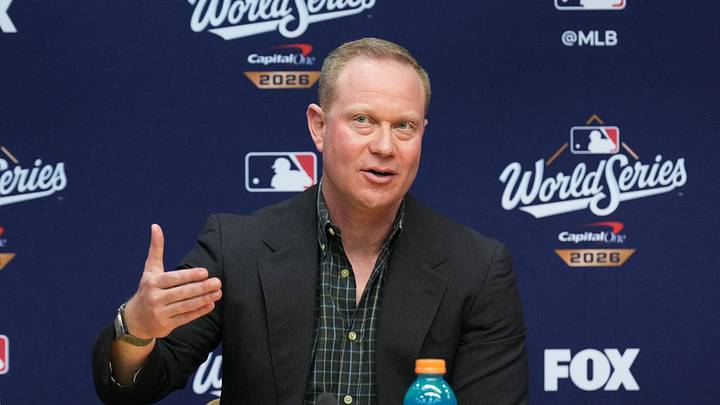
Therefore, while the honeymoon phase of the Brewers' first World Series title is by no means over -- it can and should last throughout the lockout -- it's time to also start thinking about what moves Matt Arnold and Milwaukee's unparalleled front office should start considering as the offseason begins. Here are three of the biggest questions that Arnold and his team face in constructing the Brewers' 2027 roster.
3 big questions facing Brewers' front office as quest for World Series repeat quickly begins
1. Who plays first base in 2027?
The Brewers sported one of the best first base platoons in baseball during the 2026 campaign. Between Jake Bauers' incredible breakout season and Andrew Vaughn's demolition of southpaws, the Brewers' first basemen were undoubtedly a strength of the team's 2026 title run. However, expecting that platoon to return for the 2027 campaign is a bad bet.
Bauers, as previously mentioned, is a free agent and one who is coming off by far the best season of his career. Such a reality would suggest that Bauers has priced himself out of the Brewers' budget, which may not be easy to stomach on the heels of his NLCS MVP performance, but Milwaukee generally avoids giving long-term deals, which is what it will likely take to sign Bauers, to players over the age of 30. The aging curve can set in fairly quickly in baseball, and giving long-term deals to players during the second half of their career can therefore lead to some poor contracts.
However, the Brewers do have the option of extending Bauers the qualifying offer, which would keep him under contract for one more season and pay him a sizable $23.15 million salary. The Brewers can absolutely afford to pay Bauers that salary for one year, assuming his level of production is somewhat close to what he produced in 2026, and are therefore likely to extend the qualifying offer to the 31-year-old slugger. Bauers, knowing that he can likely earn more guaranteed money on the open market, will likely decline that offer, meaning the Brewers could end up receiving draft compensation.
Should Bauers decline the qualifying offer, the Brewers will likely retain Vaughn for the 2027 campaign, which will be his last before he hits free agency. According to MLB Trade Rumors, Vaughn is projected to make $8.5 million in his final year of arbitration in 2027, which is by no means insignificant but certainly worth a full season of his services if he mirrors the production that he's turned in during his first season and a half with the Brewers.
Should Bauers accept the qualifying offer, don't be surprised if the Brewers start fielding trade offers for Vaughn. With plenty of corner infield prospects in the pipeline, it's unlikely the Brewers will pay a platoon of first basemen upwards of $30 million for a single season in 2027. Regardless, how first base shakes out is one of the biggest questions facing the Brewers' front office this winter.
2. Who is closing games for the Brewers' in 2027?
Over the last five years, the Brewers have traded two All-Star closers, and the returns they received were instrumental in building their 2026 World Series-winning roster. Milwaukee dealt southpaw Josh Hader at the trade deadline back in 2022 and received from the San Diego Padres Robert Gasser and outfield prospect Esteury Ruiz, whom they later traded for William Contreras. Gasser became the Brewers' No. 3 starter during their 2026 postseason run, and Contreras was named the 2026 World Series MVP.
Then, the Brewers traded Devin Williams ahead of his final season of team control in 2025 and received infield prospect Caleb Durbin, whom they later traded to the Boston Red Sox in a deal that netted them David Hamilton, Shane Drohan, and Kyle Harrison. While Drohan and Harrison didn't play big roles in the Brewers' 2026 World Series run, they figure to be key pieces of the Brewers' roster going forward. Meanwhile, Hamilton, who started every game of the 2026 Fall Classic at third base, was something of an unsung hero in the Brewers' World Series run.
If the Brewers were to continue this trend of trading their All-Star closers ahead of their final team of team control, that would mean Trevor Megill would be on the move this offseason. Megill, who was an All-Star in 2025, was once again dominant in 2026, with a 2.63 ERA in 63 appearances to prove it. Megill has racked up 30 saves in each of the last two seasons and was on the bump for the final out of the Brewers' first World Series title.
Such a resume makes it difficult to part ways with the towering closer, but Milwaukee's ability to develop dominant relief pitchers is among the best in baseball, and the value they could receive for Megill on the trade market may be too enticing to pass up. Megill is projected to make $8 million in his final year of arbitration, which would be among the most expensive single-season relief pitcher salaries in franchise history.
If the Brewers do trade Megill before the 2027 campaign, the question then becomes: Who is Milwaukee's closer next year? Abner Uribe and Aaron Ashby certainly serve as two strong options to fill the role, and perhaps their dominant 2026 seasons will encourage the Brewers to move on from Megill.
3. Will the Brewers trade William Contreras after his World Series MVP performance?
Trading away their star players has never been easy for the Brewers. Whether it be the aforementioned Hader and Williams deals or the Corbin Burnes and Freddy Peralta blockbusters, just because Milwaukee has elected to move on from players before their final year of team control, doesn't make it any easier when they eventually do so. However, trading the franchise's only World Series MVP just weeks after he earned the honor would be in a tier of its own.
Before Contreras turned in an incredible postseason performance, during which his play on the field and his leadership off of it were integral to the Brewers' success, it felt more likely than not that Milwaukee would move on from their All-Star catcher during the offseason. A catcher of Contreras' caliber would fetch a sizable return on the trade market, and the Brewers were unlikely to give the All-Star backstop a long-term deal. Pair that with the fact that the aging curve on catchers, who play a physically demanding position, is typically steeper than it is for other players, and the forward-thinking Brewers, who know that Contreras' final campaign in Milwaukee may be impacted by the lockout, seemed all but certain to shop the 3x All-Star.
However, the Brewers' World Series run may have changed that line of thinking. The Brewers' front office typically makes decisions with their head, not their heart, which would suggest that their thought process on trading Contreras wasn't impacted by his postseason performance. However, if the front office was on the fence of trading Contreras in the first place, which presumably they were, the 28-year-old catcher, who is in the midst of his prime, winning the World Series MVP is pretty convincing evidence for the "don't trade" argument.
It's worth noting that all of the notable impending free agents that the Brewers have traded away in the past five years have been pitchers. Milwaukee could have traded Willy Adames ahead of his final year of team control, but chose to hang on to the All-Star shortstop. Whether or not that's evidence that the Brewers won't trade Contreras this offseason, it's worth noting that it would by no means be unprecedented for them to hang on to a soon-to-be departing position player. Without an obvious succession plan in place at the catcher position, the Brewers, at this point in time, feel more likely to retain Contreras for his final season of team control than trade him away.
 Add us as a preferred source on Google